- Strengths-based care
- Mindfulness and CBT
- Relationship focus
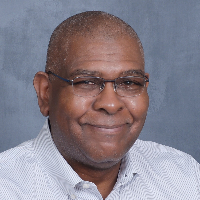
About Anthony
Anthony Washington is a Licensed Professional Counselor (LPC) based in Alaska. He draws on three decades of experience to help people who are struggling with stress, anxiety, addictions, depression, trauma and self esteem issues. He aims to create a calm, respectful space where concerns can be talked through and practical steps explored.
He uses straightforward, strengths-based work rather than jargon. Sessions focus on what matters most to the person sitting in the room. That can include coping tools for sleep and anger, support through grief, or strategies to manage mood swings and ADHD-related challenges.
Anthony blends methods to match each person's needs. He often uses cognitive behavioral techniques to spot unhelpful thinking patterns and mindfulness to build moment-to-moment awareness. Emotionally-Focused Therapy ideas inform work on connection and relationship patterns.
He brings experience supporting people dealing with family-origin issues, codependency, commitment worries, and the stress that comes from caregiving or first responder work. Anthony also addresses issues related to substance use, domestic violence, and recovery from trauma.
Anthony earned a Master’s degree in Community Counseling from the University of South Alabama in 1999. He practices with attention to each person’s strengths and practical goals, and he works with adults and couples across a wide range of life concerns.
He uses straightforward, strengths-based work rather than jargon. Sessions focus on what matters most to the person sitting in the room. That can include coping tools for sleep and anger, support through grief, or strategies to manage mood swings and ADHD-related challenges.
Anthony blends methods to match each person's needs. He often uses cognitive behavioral techniques to spot unhelpful thinking patterns and mindfulness to build moment-to-moment awareness. Emotionally-Focused Therapy ideas inform work on connection and relationship patterns.
He brings experience supporting people dealing with family-origin issues, codependency, commitment worries, and the stress that comes from caregiving or first responder work. Anthony also addresses issues related to substance use, domestic violence, and recovery from trauma.
Anthony earned a Master’s degree in Community Counseling from the University of South Alabama in 1999. He practices with attention to each person’s strengths and practical goals, and he works with adults and couples across a wide range of life concerns.