- Addiction and recovery
- Trauma and anger
- Self esteem work
About Brenda
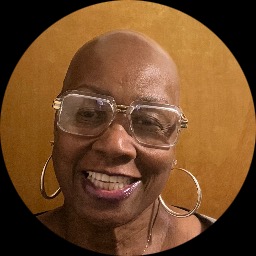
Brenda Haney is a licensed clinical social worker with 27 years of experience who helps people manage addiction, relationship strain, trauma, anger, depression, and low self-esteem. She speaks plainly and offers a respectful, compassionate approach to people who are nervous about starting therapy. Brenda aims to tailor conversations and plans to each person's needs and goals.
Brenda uses a mix of practical methods in sessions. She draws on Cognitive Behavioral Therapy to notice patterns of thinking and try small behavior changes. She also uses Acceptance and Commitment Therapy to help people clarify values and act in ways that match what matters to them. Motivational Interviewing is part of her work when people need help finding their own reasons for change.
Her style is client-centered, which means conversations are guided by the person's concerns and pace. She focuses on concrete skills for managing anger, urges, or distress and on rebuilding confidence after trauma or loss. Sessions often involve setting simple goals and trying out new strategies between meetings.
Brenda is licensed as an LCSW and practices in Ohio. She has spent many years supporting people through difficult life transitions and stubborn habits. She encourages small, steady steps toward a more satisfying life.
To begin, expect a straightforward first talk about priorities and what to work on together. Brenda emphasizes collaboration and tailors the plan as progress is made.
Brenda uses a mix of practical methods in sessions. She draws on Cognitive Behavioral Therapy to notice patterns of thinking and try small behavior changes. She also uses Acceptance and Commitment Therapy to help people clarify values and act in ways that match what matters to them. Motivational Interviewing is part of her work when people need help finding their own reasons for change.
Her style is client-centered, which means conversations are guided by the person's concerns and pace. She focuses on concrete skills for managing anger, urges, or distress and on rebuilding confidence after trauma or loss. Sessions often involve setting simple goals and trying out new strategies between meetings.
Brenda is licensed as an LCSW and practices in Ohio. She has spent many years supporting people through difficult life transitions and stubborn habits. She encourages small, steady steps toward a more satisfying life.
To begin, expect a straightforward first talk about priorities and what to work on together. Brenda emphasizes collaboration and tailors the plan as progress is made.