- Practical coping skills
- Values-based work
- Mindfulness practices
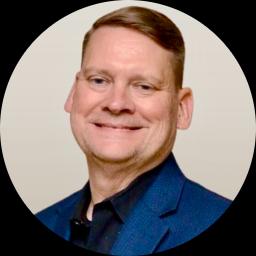
About Brian
Brian Sharp is a licensed counselor with five years of clinical experience. He works with people facing depression, anxiety, addictions, and low self-esteem. He focuses on practical steps that help clients cope with life changes and day-to-day stress.
Brian centers sessions on the individual in front of him. He listens first, then helps people name the problem and set small goals. He uses clear tools to manage strong emotions and reduce unhelpful thinking patterns.
His work draws on Acceptance and Commitment Therapy, Cognitive Behavioral Therapy, Dialectical Behavior Therapy, Client-Centered therapy, and mindfulness practices. That mix supports coping skills, emotional regulation, and clearer decision making. Sessions often include skill practice, simple experiments, and reflections on values and actions.
Brian also helps with career stress, relationship strain, and issues related to abandonment, attachment, and forgiveness. He addresses drug and alcohol addiction and other impulsivity concerns with motivation-focused strategies and behavior change techniques.
He practices in Texas and carries the credentials LPCC and LPC. Sessions are conducted in English. To begin, readers use the site continue button on this profile, complete a short matching questionnaire, and schedule based on therapist availability.
Brian centers sessions on the individual in front of him. He listens first, then helps people name the problem and set small goals. He uses clear tools to manage strong emotions and reduce unhelpful thinking patterns.
His work draws on Acceptance and Commitment Therapy, Cognitive Behavioral Therapy, Dialectical Behavior Therapy, Client-Centered therapy, and mindfulness practices. That mix supports coping skills, emotional regulation, and clearer decision making. Sessions often include skill practice, simple experiments, and reflections on values and actions.
Brian also helps with career stress, relationship strain, and issues related to abandonment, attachment, and forgiveness. He addresses drug and alcohol addiction and other impulsivity concerns with motivation-focused strategies and behavior change techniques.
He practices in Texas and carries the credentials LPCC and LPC. Sessions are conducted in English. To begin, readers use the site continue button on this profile, complete a short matching questionnaire, and schedule based on therapist availability.