- Focus on self esteem
- Evidence informed methods
- Practical life skills
About Cynthia
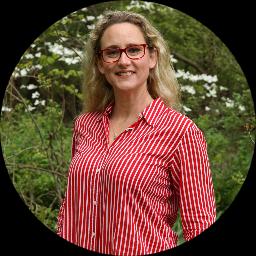
Cynthia "Cindy" Chizewick is a licensed clinical social worker who focuses on helping people regain a sense of control and satisfaction in their lives. She draws on 15 years of practice to support people facing anxiety, depression, addiction, grief, and low self esteem. Cindy works in a direct, practical way so people can start making changes right away.
She uses a team approach that centers the person seeking help. Sessions aim to address daily challenges like sleep trouble, parenting strain, work stress, and relationship conflict. Cindy also helps people coping with trauma, attention concerns, bipolar mood patterns, and problems with anger or isolation.
Her methods include approaches such as cognitive behavioral therapy, acceptance and commitment therapy, mindfulness practices, and EMDR for trauma work. She also draws on motivational interviewing when people want help with substance use or behavior change. The focus is on finding concrete steps that fit each person's life.
Cindy describes her work as holistic - looking beyond symptoms to the routines and relationships that shape day-to-day functioning. She helps people clarify values, set manageable goals, and practice skills that build confidence and resilience. The aim is better functioning, clearer priorities, and improved self esteem.
She practices in Ohio and holds LCSW and LISW credentials. Over the years she has worked with people affected by first responder stress, veteran issues, blended family dynamics, and the impacts of disaster or loss. Her style is collaborative and straightforward, centered on what each person wants to change.
She uses a team approach that centers the person seeking help. Sessions aim to address daily challenges like sleep trouble, parenting strain, work stress, and relationship conflict. Cindy also helps people coping with trauma, attention concerns, bipolar mood patterns, and problems with anger or isolation.
Her methods include approaches such as cognitive behavioral therapy, acceptance and commitment therapy, mindfulness practices, and EMDR for trauma work. She also draws on motivational interviewing when people want help with substance use or behavior change. The focus is on finding concrete steps that fit each person's life.
Cindy describes her work as holistic - looking beyond symptoms to the routines and relationships that shape day-to-day functioning. She helps people clarify values, set manageable goals, and practice skills that build confidence and resilience. The aim is better functioning, clearer priorities, and improved self esteem.
She practices in Ohio and holds LCSW and LISW credentials. Over the years she has worked with people affected by first responder stress, veteran issues, blended family dynamics, and the impacts of disaster or loss. Her style is collaborative and straightforward, centered on what each person wants to change.