- Direct practical tools
- 15 years experience
- Focus on communication
About Janeisha
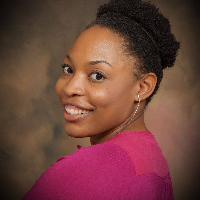
Dr. Janeisha Anderson-LaBranch is a licensed marriage and family therapist who helps people facing stress, anxiety, relationship strain, and low self-esteem. She works with clients who are coping with life changes, LGBT concerns, and family-related struggles. Her tone is calm and direct, aiming to make the first steps feel manageable for someone worried or unsure about therapy.
Dr. Anderson-LaBranch keeps sessions focused on practical changes and clearer communication. She uses simple tools to help people notice unhelpful patterns, try small experiments, and build confidence. Conversations often cover ways to handle emotions, repair difficult interactions, and set boundaries that feel realistic.
With 15 years of experience, she draws on several approaches to suit each person’s needs. That might mean listening deeply and reflecting the client’s experience, practicing cognitive techniques to change thinking habits, or working on emotional connection and attachment. She tailors the format to what fits a person’s goals and rhythm of life.
Her work pays attention to family history, identity, and experiences that shape how people relate to themselves and others. Typical topics include abandonment feelings, body image, communication problems, and coping with caregiver stress. Sessions aim to help people find steadier self-regard and clearer choices in relationships.
People who choose Dr. Anderson-LaBranch will find a collaborative therapist who explains options plainly. She focuses on immediate, usable steps while also making room to process deeper hurts. The goal is steady progress you can notice between sessions.
Dr. Anderson-LaBranch keeps sessions focused on practical changes and clearer communication. She uses simple tools to help people notice unhelpful patterns, try small experiments, and build confidence. Conversations often cover ways to handle emotions, repair difficult interactions, and set boundaries that feel realistic.
With 15 years of experience, she draws on several approaches to suit each person’s needs. That might mean listening deeply and reflecting the client’s experience, practicing cognitive techniques to change thinking habits, or working on emotional connection and attachment. She tailors the format to what fits a person’s goals and rhythm of life.
Her work pays attention to family history, identity, and experiences that shape how people relate to themselves and others. Typical topics include abandonment feelings, body image, communication problems, and coping with caregiver stress. Sessions aim to help people find steadier self-regard and clearer choices in relationships.
People who choose Dr. Anderson-LaBranch will find a collaborative therapist who explains options plainly. She focuses on immediate, usable steps while also making room to process deeper hurts. The goal is steady progress you can notice between sessions.