- 30 years experience
- Focus on self esteem
- Strengths based care
About Karen
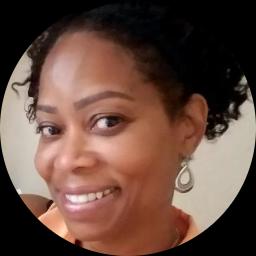
Dr. Karen Vertti helps people facing stress, anxiety, relationship strain, trauma and abuse, low self esteem, and depression. She is Dr. Karen Vertti, a licensed clinical social worker with 30 years of experience. Her manner is straightforward and supportive for people who want clearer thinking and more confidence.
She encourages clients to see themselves as the expert in their own story. Sessions focus on building on existing strengths and practical steps to reduce distress. She aims to make change feel possible and manageable rather than overwhelming.
Her background includes long-term clinical work in Florida and California, with experience addressing family difficulties, motivation and confidence, and work related to sexual offender treatment. She also has experience with attachment concerns, addiction, dissociation, and challenges that come from blended families and divorce.
In sessions she uses approaches that help people spot unhelpful thoughts, test new behaviors, and set short-term achievable goals. The emphasis is on clear tools and steady progress that fit into everyday life. She talks through options with each person and adapts the plan as needs change.
People who reach out start by sharing what feels most urgent. From there she helps build a plan that balances immediate relief with longer term growth. The focus is practical skills, more confidence, and gradual rebuilding after difficult events.
She encourages clients to see themselves as the expert in their own story. Sessions focus on building on existing strengths and practical steps to reduce distress. She aims to make change feel possible and manageable rather than overwhelming.
Her background includes long-term clinical work in Florida and California, with experience addressing family difficulties, motivation and confidence, and work related to sexual offender treatment. She also has experience with attachment concerns, addiction, dissociation, and challenges that come from blended families and divorce.
In sessions she uses approaches that help people spot unhelpful thoughts, test new behaviors, and set short-term achievable goals. The emphasis is on clear tools and steady progress that fit into everyday life. She talks through options with each person and adapts the plan as needs change.
People who reach out start by sharing what feels most urgent. From there she helps build a plan that balances immediate relief with longer term growth. The focus is practical skills, more confidence, and gradual rebuilding after difficult events.