- Warm and nonjudgmental
- Multilingual support
- Practical coping skills
About Nelly
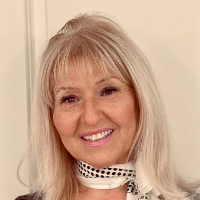
Dr. Nelly Gregorian-DeLeon is a licensed marriage and family therapist with 15 years of clinical experience. She holds a Licensed Marriage and Family Therapist credential, and practices in North Carolina. She speaks English, Armenian, and Persian and approaches care with warmth, empathy, and respect for each person's story.
She focuses on everyday problems like anxiety, depression, stress, and low self esteem. She also helps people facing relationship strain, grief and loss, parenting challenges, and major life changes. Her background includes working with survivors and people involved in domestic and sexual violence situations.
Her style is nonjudgmental and collaborative. She listens first, and then offers options that fit the person in front of her. Sessions may mix different methods to match specific concerns rather than relying on a single technique.
Dr. Gregorian-DeLeon draws on approaches such as client-centered work, cognitive behavioral techniques, existential ideas, hypnotherapy, and Jungian perspectives. That range allows her to address practical coping skills and deeper questions about meaning and identity.
People who choose her often want clear tools for managing mood and stress along with space to understand relationship patterns. She emphasizes communication skills, conflict resolution, and coping strategies that apply to daily life. To begin, listeners are invited to use the continue button on this profile and complete a brief matching questionnaire.
Her practice notes that fees vary by location and that sessions use a subscription model that can be canceled at any time. International clients are accepted, and she can discuss how best to proceed based on a person’s needs and preferences.
She focuses on everyday problems like anxiety, depression, stress, and low self esteem. She also helps people facing relationship strain, grief and loss, parenting challenges, and major life changes. Her background includes working with survivors and people involved in domestic and sexual violence situations.
Her style is nonjudgmental and collaborative. She listens first, and then offers options that fit the person in front of her. Sessions may mix different methods to match specific concerns rather than relying on a single technique.
Dr. Gregorian-DeLeon draws on approaches such as client-centered work, cognitive behavioral techniques, existential ideas, hypnotherapy, and Jungian perspectives. That range allows her to address practical coping skills and deeper questions about meaning and identity.
People who choose her often want clear tools for managing mood and stress along with space to understand relationship patterns. She emphasizes communication skills, conflict resolution, and coping strategies that apply to daily life. To begin, listeners are invited to use the continue button on this profile and complete a brief matching questionnaire.
Her practice notes that fees vary by location and that sessions use a subscription model that can be canceled at any time. International clients are accepted, and she can discuss how best to proceed based on a person’s needs and preferences.