- Clear, tool-focused work
- Empathy with straightforwardness
- Mindfulness and skills
About Phyllis
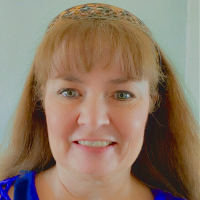
Phyllis Siebern is a Licensed Professional Counselor (LPC) based in Arizona who draws on several years working in mental health. She focuses on helping people manage stress, anxiety, anger, depression, addictions, trauma and abuse, eating concerns, bipolar challenges, and self esteem. Her tone is direct and down-to-earth, with room for empathy and occasional humor to ease hard conversations.
Phyllis uses practical methods from Cognitive Behavioral Therapy and Dialectical Behavior Therapy alongside mindfulness practices. Sessions tend to emphasize clear tools people can practice between meetings. She aims to make difficult changes manageable by breaking problems into small, doable steps.
People who prefer a straightforward counselor often find her approach helpful. She listens for what matters most and helps set concrete goals. Progress is framed as steady work rather than quick fixes.
Phyllis has three years of experience as an LPC and has worked in multiple settings over a longer career. That background shaped her belief that most people can get better when they learn useful skills and get steady support.
She encourages honesty in the room and keeps conversations practical. If self esteem or forgiveness are part of the concern, she will help people identify patterns and practice new ways of responding.
To begin, prospective clients follow the site process to match with her and schedule sessions according to availability. Sessions are conducted in English and international clients are not accepted.
Phyllis uses practical methods from Cognitive Behavioral Therapy and Dialectical Behavior Therapy alongside mindfulness practices. Sessions tend to emphasize clear tools people can practice between meetings. She aims to make difficult changes manageable by breaking problems into small, doable steps.
People who prefer a straightforward counselor often find her approach helpful. She listens for what matters most and helps set concrete goals. Progress is framed as steady work rather than quick fixes.
Phyllis has three years of experience as an LPC and has worked in multiple settings over a longer career. That background shaped her belief that most people can get better when they learn useful skills and get steady support.
She encourages honesty in the room and keeps conversations practical. If self esteem or forgiveness are part of the concern, she will help people identify patterns and practice new ways of responding.
To begin, prospective clients follow the site process to match with her and schedule sessions according to availability. Sessions are conducted in English and international clients are not accepted.