- Person-centered approach
- Goal focused
- Practical tools
About Regina
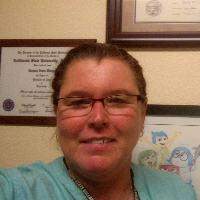
Regina Phelps is a Licensed Marriage and Family Therapist (LMFT) practicing in California. She has been a licensed therapist since 2012 and brings nine years counted from her LMFT credential to her clinical work. Regina draws on a long history in social services and aims to meet people where they are when they begin therapy.
Regina listens first and then helps map out practical steps forward. Sessions focus on real-life problems like anxiety, addiction, grief, parenting challenges, and difficulties with relationships. She emphasizes a person-centered style and tailors each plan to the individual's pace and needs.
Her work often uses Cognitive Behavioral Therapy, which looks at thoughts and behaviors to reduce distress. She also uses Solution-Focused Therapy to set clear, achievable goals and identify next steps. Elements of Narrative, Strategic, and Family Systems approaches are used when they fit the situation.
Regina has experience across outpatient and residential settings and has led individual and group work. She also integrates motivational interviewing, twelve-step support, and psychodynamic ideas as appropriate. That mix lets her shift methods to match what a person wants to address.
Parents and caregivers who are juggling stress, codependency patterns, or career and life transitions may find focused, practical help. Regina supports people working on self-esteem, coping with change, and recovering from trauma or loss. She works in English and practices under her California LMFT credential.
Regina listens first and then helps map out practical steps forward. Sessions focus on real-life problems like anxiety, addiction, grief, parenting challenges, and difficulties with relationships. She emphasizes a person-centered style and tailors each plan to the individual's pace and needs.
Her work often uses Cognitive Behavioral Therapy, which looks at thoughts and behaviors to reduce distress. She also uses Solution-Focused Therapy to set clear, achievable goals and identify next steps. Elements of Narrative, Strategic, and Family Systems approaches are used when they fit the situation.
Regina has experience across outpatient and residential settings and has led individual and group work. She also integrates motivational interviewing, twelve-step support, and psychodynamic ideas as appropriate. That mix lets her shift methods to match what a person wants to address.
Parents and caregivers who are juggling stress, codependency patterns, or career and life transitions may find focused, practical help. Regina supports people working on self-esteem, coping with change, and recovering from trauma or loss. She works in English and practices under her California LMFT credential.