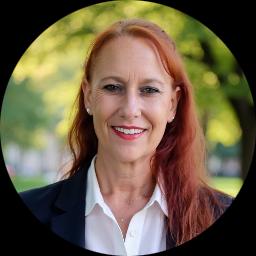
Dr. Tangela Isely is a Licensed Professional Counselor (LPC) and Licensed Clinical Professional Counselor (LCPC) with 19 years of experience. She focuses on helping people cope with stress, anxiety, trauma, depression, and self esteem concerns. Her style is compassionate and straightforward, aimed at making the first step feel manageable for someone who is worried or uncertain.
She uses approaches such as Dialectical Behavior Therapy, Cognitive Behavioral Therapy, Acceptance and Commitment Therapy, and Client-Centered and Mindfulness therapies. In sessions she listens first, then helps people identify patterns that keep them stuck. Together they build practical skills to reduce distress and make daily life feel more workable.
Her work covers a wide range of concerns including grief, addiction, anger, sleep and eating problems, career strain, and caregiver stress. She also addresses attachment issues, codependency, hoarding, and challenges linked to adoption and family of origin. These areas are woven into goal-focused conversations rather than one-size-fits-all plans.
Dr. Isely practices in Texas and communicates in English. She frames therapy as a collaborative process where the person’s story guides the pace and the techniques chosen. Many who start therapy with her appreciate a clear plan they can try between sessions.
To begin, visitors are encouraged to use the directory Start Therapy process to match and schedule a session according to the therapist’s availability.
How therapeutic approaches shape online work
The therapist uses Cognitive Behavioral Therapy (CBT) to help people identify unhelpful thoughts and test new behaviors, which can reduce symptoms like anxiety and depression. Dialectical Behavior Therapy (DBT) offers practical skills for managing intense emotions and improving distress tolerance, useful for anger, mood instability, and interpersonal stress. Acceptance and Commitment Therapy (ACT) emphasizes values and committed action, helping people live toward what matters even with difficult feelings.
Finding the right approach is part of the process. The therapist discusses needs and goals with each person and collaboratively chooses which methods to try. That means techniques can be adjusted over time based on what is helpful and what fits someone’s daily life.
Session format options are not specified here, so confirm available session types before booking. Online therapy can make it easier to fit appointments into a busy schedule, require less travel time, and allow shorter check-ins when needed. It also makes it possible to practice skills between sessions in real-life settings and bring those experiences back to therapy for discussion.
AbandonmentAdoption and foster careAttachment issuesCaregiver issues and stressCodependencyCommunication problemsControl issuesCoping with natural or human-caused disasterDisruptive Mood Dysregulation Disorder (DMDD)EmptinessFamily of origin issuesFirst responder issuesForgivenessGuilt and shameHoardingImmigration issuesImpulsivityIsolation / lonelinessLife purposeMidlife crisisVeteran and Armed Forces IssuesMood disordersMulticultural concernsNarcissismObsessions, compulsions, and OCDPanic disorder and panic attacksPersonality disordersPostpartum depressionPost-traumatic stressPregnancy and childbirthPrejudice and discriminationSelf-harmSelf-loveSexual assault and abuseSocial anxiety and phobiaTraumatic brain injuryWomen's issuesWorkplace issues
Work includes stress, anxiety, trauma and abuse, depression, self esteem, and coping with life changes. Additional focuses include addiction, grief, sleep and eating concerns, and caregiver stress.
How would you describe the therapy style?
Sessions are collaborative and person-centered with clear, practical tools. Techniques draw from DBT, CBT, ACT, mindfulness, and solution-focused ideas to help people manage symptoms and build skills.
What experience does the therapist bring?
The therapist has 19 years of clinical experience working with a broad range of emotional and behavioral concerns. That background informs a pragmatic approach to goal setting and coping strategies.
Where is the therapist licensed and practicing?
Licenses include LPC and LCPC and the therapist practices in Texas. Any additional licensing details are those stated here.
Which languages are supported for sessions?
Sessions are offered in English.
Can people outside the United States work with this therapist?
International clients are not currently accepted.
How are sessions scheduled and what does cost look like?
Cost varies by location and therapist availability and uses a subscription model that can be canceled at any time. Specific rates depend on the matching and scheduling process.
What are the first steps to start therapy?
Select the continue button on this profile, complete the short matching questionnaire, and then schedule sessions according to the therapist’s listed availability.