- 30 years experience
- Focus on relationships
- Practical coping skills
About Carol
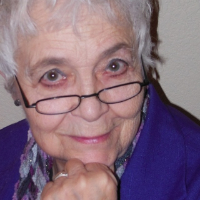
Dr. Carol Carrell is a licensed marriage and family therapist with 30 years of experience. She helps people facing anxiety, depression, relationship strain, caregiving stress, grief, and low self esteem. Dr. Carrell also supports those dealing with trauma, addiction, chronic illness, and LGBT concerns. Her tone is calm and practical, focused on helping people take the next small step toward feeling better.
She uses a mix of approaches rather than one fixed method. Sessions often center on listening carefully, clarifying goals, and trying concrete skills that can be used between meetings. Cognitive Behavioral Therapy techniques may be used to identify and change unhelpful thinking and behavior patterns. Emotion-focused ideas and client-centered work guide conversations about feelings and relationship dynamics.
Her background includes decades as a clinician, professor, and supervisor, bringing experience across many settings. That range informs how she tailors sessions to each person’s situation. She has worked with clients facing health challenges, caregiving burdens, and complex family issues.
When working with couples she focuses on communication, identifying strengths, and addressing caregiver fatigue when medical problems are involved. With young people she emphasizes creating a space where they can feel heard and accepted. Many clients find practical tools and clearer plans to move forward.
Therapy with Dr. Carrell is presented as a collaborative process. She helps people set goals, try new strategies, and adjust the plan as needed to match their life and priorities.
She uses a mix of approaches rather than one fixed method. Sessions often center on listening carefully, clarifying goals, and trying concrete skills that can be used between meetings. Cognitive Behavioral Therapy techniques may be used to identify and change unhelpful thinking and behavior patterns. Emotion-focused ideas and client-centered work guide conversations about feelings and relationship dynamics.
Her background includes decades as a clinician, professor, and supervisor, bringing experience across many settings. That range informs how she tailors sessions to each person’s situation. She has worked with clients facing health challenges, caregiving burdens, and complex family issues.
When working with couples she focuses on communication, identifying strengths, and addressing caregiver fatigue when medical problems are involved. With young people she emphasizes creating a space where they can feel heard and accepted. Many clients find practical tools and clearer plans to move forward.
Therapy with Dr. Carrell is presented as a collaborative process. She helps people set goals, try new strategies, and adjust the plan as needed to match their life and priorities.