
Henry "Jay" Swedlaw
LPCC, LCMHCTexas · 20 yrs exp
Compassionate counselor for identity and confidence
Stress, Anxiety · LGBT · Relationship · Self esteem · +16 more
Read profileTherapist listings are provided by BetterHelp. We earn a commission at no additional cost to you if you use our links to purchase.
Use the profiles below to compare focus areas, therapeutic approaches, languages, credentials and therapist style as they relate to intimacy and self-esteem concerns. Browse listings to identify professionals whose stated specialties match the aspects of relationship and self-worth work you want to explore.
Texas · 20 yrs exp
Compassionate counselor for identity and confidence
Stress, Anxiety · LGBT · Relationship · Self esteem · +16 more
Read profile
Colorado · 19 yrs exp
Collaborative, practical care for everyday struggles
Stress, Anxiety · Relationship · Trauma and abuse · Grief · +12 more
Read profile
California · 14 yrs exp
Helping clients rewrite their life story
Stress, Anxiety · Relationship · Family · Intimacy-related issues · +9 more
Read profile
Texas · 13 yrs exp
Compassionate, practical support for lasting change
Stress, Anxiety · Relationship · Trauma and abuse · Anger · +11 more
Read profile
Oregon · 17 yrs exp
Empowering therapy with practical tools
Stress, Anxiety · Anger · Self esteem · Career · +12 more
Read profile
Oregon · 26 yrs exp
Experienced LCSW focusing on practical self esteem work
Stress, Anxiety · Trauma and abuse · Grief · Depression · +10 more
Read profile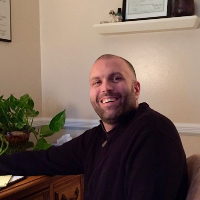
South Carolina · 14 yrs exp
Helping people build practical strengths
Stress, Anxiety · Parenting · Depression · Addictions · +14 more
Read profile
Colorado · 15 yrs exp
Direct, practical therapy for personal change
Stress, Anxiety · Relationship · Intimacy-related issues · Self esteem · +10 more
Read profile
California · 12 yrs exp
Experienced therapist focused on improving self-esteem
Stress, Anxiety · Family · Parenting · Self esteem · +8 more
Read profile
Arizona · 6 yrs exp
Compassionate counselor focused on practical change
Stress, Anxiety · Relationship · Family · Self esteem · +11 more
Read profile
Missouri · 16 yrs exp
Compassionate clinician helping build self esteem
Stress, Anxiety · Trauma and abuse · Self esteem · Bipolar · +12 more
Read profile
Colorado · 30 yrs exp
Experienced person-centered counselor
Stress, Anxiety · Relationship · Trauma and abuse · Depression · +15 more
Read profile
Colorado · 11 yrs exp
Compassionate counselor for rebuilding self-regard
Stress, Anxiety · LGBT · Trauma and abuse · Anger · +15 more
Read profile
North Carolina · 18 yrs exp
Experienced counselor focused on listening and practical change
Stress, Anxiety · Addictions · Trauma and abuse · Anger · +13 more
Read profile
Florida · 30 yrs exp
Compassionate clinician focused on lasting change
Stress, Anxiety · Relationship · Trauma and abuse · Depression · +14 more
Read profile
Texas · 21 yrs exp
Compassionate therapist focused on personal growth
Stress, Anxiety · Relationship · Trauma and abuse · Intimacy-related issues · +15 more
Read profile
Montana · 39 yrs exp
Experienced therapist for life transitions
Stress, Anxiety · Parenting · Self esteem · Depression · +12 more
Read profile
California · 8 yrs exp
Compassionate therapist focused on Meaning and self-worth
Stress, Anxiety · Addictions · Relationship · Self esteem · +15 more
Read profile
Montana · 16 yrs exp
Practical therapist who focuses on real change
Stress, Anxiety · Relationship · Self esteem · Depression · +11 more
Read profile
Georgia · 19 yrs exp
Practical counseling for stress and self esteem
Stress, Anxiety · Addictions · Trauma and abuse · Self esteem · +11 more
Read profile
Texas · 18 yrs exp
Compassionate counselor with practical strategies
Stress, Anxiety · Addictions · Trauma and abuse · Depression · +9 more
Read profile
Mississippi · 12 yrs exp
Compassionate, practical therapy for life challenges
Stress, Anxiety · Addictions · Anger · Self esteem · +12 more
Read profile
Oregon · 15 yrs exp
Compassionate counselor for practical change
Stress, Anxiety · Addictions · Relationship · Trauma and abuse · +12 more
Read profile
California · 20 yrs exp
Practical, collaborative care for self esteem and stress
Stress, Anxiety · Relationship · Family · Parenting · +15 more
Read profileWhen you struggle with intimacy - whether that looks like fear of closeness, difficulty communicating desire, discomfort with vulnerability, or patterns of withdrawing - it often touches how you see yourself. You may notice heightened self-criticism, constant comparison with partners or peers, or doubts about your identity and personal values. Those responses do not mean something is wrong with you as a person. They are common reactions to experiences that affect how you show up with others and how you evaluate your worth.
Thinking about intimacy through the lens of self-esteem can help you focus on the internal messages that shape your relationships. For some people this means uncovering long-standing beliefs about deservingness and safety. For others it means learning new ways of communicating personal needs that align with values like honesty, respect and mutual care. You can use the profiles on this page to find clinicians who list both intimacy and self-esteem among their specialties so you can explore those connections in the context of your life, with attention to your particular history and cultural background.
Therapists describe a range of approaches and orientations that can inform work on intimacy. Cognitive-focused approaches tend to examine patterns of thinking - for example, how comparison or self-criticism contributes to withdrawal or conflict. Emotion-focused perspectives center on recognizing and naming feelings as a route to greater connection. Psychodynamic work explores past relationships and identity development to reveal recurring patterns. Trauma-informed approaches pay attention to how past hurt shapes trust and boundaries. You may also see clinicians who list couple-oriented methods, sex therapy, or mindfulness-based approaches as part of their practice. Some therapists list specific modalities, and in those cases you might encounter therapists who list EMDR among their approaches; that phrasing indicates it is included among what they describe, and it is reasonable to ask how they apply any listed approach to intimacy concerns.
None of these approaches is a one-size-fits-all answer. What matters is how an individual clinician frames their work and whether that framing fits the questions you want to bring. As you read profiles, notice whether a therapist emphasizes communication skills, body awareness, identity exploration, or healing from relational trauma, and think about which emphasis matches your priorities.
Before reaching out to a clinician you can prepare concrete questions that clarify how they might work with your concerns. Ask whether they list experience with issues like fear of closeness, mismatched desire, boundaries and sexual shame, and how they describe that experience in practical terms. Ask which populations they list - for example whether they indicate work with adolescents, adults, couples or families - and remember that a listed topic does not establish that the therapist treats children, couples, or families. You should discuss your specific needs and the therapist's actual scope directly.
Also ask about the kinds of interventions they most often mention in their profile and how they tailor them to individual differences in culture, gender, sexual orientation and relationship structure. Concrete questions include whether they work with people who are navigating changes in identity or values, how they handle safety concerns that arise in the therapy room, and what their usual goals look like for intimacy-related work. Finally, verify licensure and whether the clinician is permitted to practice with you in your location - licensing and legal permission vary by jurisdiction and are important details to confirm before beginning care.
If you are considering remote sessions, it is useful to raise several practical and clinical topics up front. Ask whether the therapist is licensed to provide services in the state or country where you are physically located at the time of sessions, and ask about any limits to practicing across borders. Discuss how they handle emergencies or crisis situations when you are not in the same locality, and ask what local resources they recommend in such events. Talk about how they handle records, informed consent and any paperwork you would complete before beginning work together.
Because intimacy work can involve sensitive material, consider where you will be physically during sessions and whether you can arrange a private space to speak openly. You can also ask how the clinician approaches boundaries around contacting them between sessions, what they recommend for safety planning, and how they address cultural or identity-related topics that matter to you. These practical conversations are part of informed decision-making and help you understand whether a clinician's stated approach matches what you want to explore in therapy.
When you read profiles, look beyond a single word like intimacy and pay attention to the specific focus areas listed alongside it. Some clinicians emphasize relationship communication or sex-related concerns, while others emphasize identity, self-criticism or healing from past relational trauma. Compare the languages listed to ensure you can communicate in the language you prefer. Note the credentials the clinician lists and confirm those credentials through the appropriate licensing board - credentials are a starting point, not a guarantee of fit.
Style matters as much as approach. You can often infer whether a therapist tends toward a more directive, skills-based approach or toward exploratory, insight-oriented work from the language in their biography. Think about whether you respond better to structured guidance or to open-ended reflection, and use that preference to narrow choices. Pay attention to statements about values, cultural competence and lived experience if those elements are important to you. Ask specific comparison questions such as which populations they list working with, how long they have been focusing on intimacy-related concerns, what they emphasize in early sessions, and which approaches they mention using. These details will help you assess alignment before you reach out.
Choosing a clinician is a personal process. Profiles on this page are a way to compare stated focus areas and professional details, but the best match depends on your needs, your sense of safety and rapport, and confirmation of licensing and legal permissions to practice where you live. Use the information here to form specific questions and to guide conversations that clarify whether a therapist's approach, experience and style fit the intimacy and self-esteem work you want to pursue.
Alabama
13 therapists
Alaska
26 therapists
Arizona
242 therapists
Arkansas
9 therapists
California
1670 therapists
Colorado
426 therapists
Connecticut
3 therapists
Delaware
3 therapists
District of Columbia
1 therapist
Florida
131 therapists
Georgia
29 therapists
Hawaii
69 therapists
Idaho
98 therapists
Illinois
26 therapists
Indiana
20 therapists
Iowa
7 therapists
Kansas
13 therapists
Kentucky
12 therapists
Louisiana
21 therapists
Maine
5 therapists
Maryland
8 therapists
Massachusetts
11 therapists
Michigan
33 therapists
Minnesota
13 therapists
Mississippi
13 therapists
Missouri
49 therapists
Montana
116 therapists
Nebraska
8 therapists
Nevada
101 therapists
New Hampshire
1 therapist
New Jersey
17 therapists
New Mexico
98 therapists
New York
27 therapists
North Carolina
43 therapists
North Dakota
4 therapists
Ohio
28 therapists
Oklahoma
25 therapists
Oregon
129 therapists
Pennsylvania
18 therapists
Rhode Island
3 therapists
South Carolina
23 therapists
South Dakota
14 therapists
Tennessee
16 therapists
Texas
154 therapists
Utah
171 therapists
Vermont
1 therapist
Virginia
20 therapists
Washington
236 therapists
West Virginia
4 therapists
Wisconsin
20 therapists
Wyoming
49 therapists