
George Joseph
LPC, LMHCFlorida · 30 yrs exp
Compassionate clinician focused on lasting change
Stress, Anxiety · Relationship · Trauma and abuse · Depression · +14 more
Read profileTherapist listings are provided by BetterHelp. We earn a commission at no additional cost to you if you use our links to purchase.
Compare Florida clinicians who list self-esteem among their specialties by reviewing approaches, languages, credentials, and professional focus. Browse the profiles below to learn more and confirm a therapist's licensure and permission to work with you where you live.
Florida · 30 yrs exp
Compassionate clinician focused on lasting change
Stress, Anxiety · Relationship · Trauma and abuse · Depression · +14 more
Read profile
Florida · 13 yrs exp
Calm, collaborative counselor for self esteem
Stress, Anxiety · Self esteem · Depression · Coping with life changes · +7 more
Read profile
Florida · 24 yrs exp
Compassionate counselor focused on practical change
Stress, Anxiety · Grief · Depression · Coping with life changes · +13 more
Read profile
Florida · 6 yrs exp
Supportive LCSW guiding practical change
Stress, Anxiety · Family · Trauma and abuse · Parenting · +8 more
Read profile
Florida · 17 yrs exp
Compassionate counselor for everyday confidence
Stress, Anxiety · Parenting · Self esteem · Compassion fatigue · +11 more
Read profile
Florida · 31 yrs exp
Practical support for building self esteem and coping
Stress, Anxiety · Relationship · Self esteem · Depression · +1 more
Read profile
Florida · 14 yrs exp
Practical support for self esteem and trauma recovery
Stress, Anxiety · Trauma and abuse · Grief · Self esteem · +1 more
Read profile
Florida · 20 yrs exp
Compassionate LCSW focused on practical support
Stress, Anxiety · Addictions · Relationship · Grief · +9 more
Read profile
Florida · 26 yrs exp
Compassionate counselor for confidence and coping
Stress, Anxiety · Family · Trauma and abuse · Self esteem · +1 more
Read profile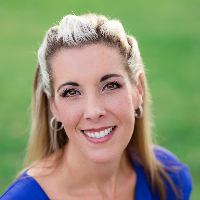
Florida · 15 yrs exp
Practical support to build steadier self esteem
Stress, Anxiety · Self esteem · Depression · Coping with life changes · +11 more
Read profile
Florida · 12 yrs exp
Experienced counselor for self worth and relationships
Stress, Anxiety · LGBT · Relationship · Grief · +10 more
Read profile
Florida · 16 yrs exp
Practical, person-focused therapy for everyday struggles
Stress, Anxiety · Trauma and abuse · Depression · Coping with life changes · +7 more
Read profile
Florida · 9 yrs exp
Renew confidence and steady coping
Stress, Anxiety · Relationship · Parenting · Self esteem · +12 more
Read profile
Florida · 11 yrs exp
Compassionate counselor for everyday challenges
Stress, Anxiety · Self esteem · Depression · Addictions · +5 more
Read profile
Florida · 20 yrs exp
Compassionate counselor blending evidence-based approaches
Stress, Anxiety · Relationship · Trauma and abuse · Intimacy-related issues · +13 more
Read profile
Florida · 11 yrs exp
Compassionate counselor for self-esteem growth
Stress, Anxiety · Eating · Self esteem · Depression · +7 more
Read profile
Florida · 10 yrs exp
Compassionate LCSW focused on practical change
Stress, Anxiety · Addictions · Trauma and abuse · Self esteem · +14 more
Read profile
Florida · 11 yrs exp
Practical, goal-focused therapy for life changes
Addictions · Relationship · Self esteem · Depression · +9 more
Read profile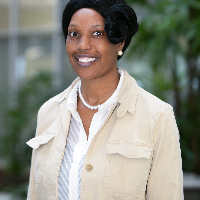
Florida · 20 yrs exp
Practical support for stronger self worth
Stress, Anxiety · Addictions · Relationship · Grief · +10 more
Read profile
Florida · 35 yrs exp
Compassionate, practical support for life’s hard moments
Grief · Bipolar · Depression · Coping with life changes · +8 more
Read profile
Florida · 16 yrs exp
Compassionate counselor focused on practical change
Stress, Anxiety · Addictions · Relationship · Anger · +8 more
Read profile
Florida · 24 yrs exp
Supportive counselor focused on real-life change
Stress, Anxiety · Relationship · Trauma and abuse · Self esteem · +16 more
Read profile
Florida · 9 yrs exp
Therapist focused on connection and growth
Relationship · Family · Trauma and abuse · Intimacy-related issues · +14 more
Read profile
Florida · 19 yrs exp
Collaborative, strengths-based counseling for self discovery
LGBT · Family · Trauma and abuse · Self esteem · +11 more
Read profileWhen you search for help with self-esteem you are likely responding to patterns that affect how you view yourself and interact with others. You may notice persistent self-criticism that undermines your confidence, frequent comparison to others that leaves you feeling diminished, or uncertainty about your identity and values when making important decisions. These experiences show up differently for everyone. For some people the issue centers on social situations and performance. For others it relates to life transitions, cultural expectations, or long-standing family dynamics. It is useful to think about which situations trigger the harsh inner voice and whether that voice is tied to moods, relationships, or specific memories.
When you begin to explore these concerns with a clinician, you can describe patterns in everyday terms - what you worry about, what you avoid, and what you hope would feel different. A therapist's role is to work with the material you bring and to offer perspectives, tools, and reflections that fit your needs. Because self-esteem is not a diagnosis, you can expect discussions to focus on how your thoughts, behaviors, and values interact, rather than on labeling. You should feel empowered to name your priorities in the first conversations so you and a potential clinician can see whether their focus aligns with your goals.
Location labels on a directory page reflect the place the clinician records, but they do not guarantee a physical office or ongoing permission to practice in every area. You should check the individual profile for contact details and licensing information, and directly confirm that the clinician has legal permission to provide care to you in your state or county. Licensure, professional degrees, and listed specialties are important signals to review, but they do not tell the whole story about approach or experience. Look for clear information about educational background and the regulatory board that issued the license so you can verify credentials independently when needed.
Licensing rules vary by state, and the ability to provide online services across state lines may be limited. If you are considering remote sessions, ask whether the clinician is authorized to work with residents in your specific location. Also remember that a listed topic like self-esteem indicates interest or experience it does not establish that the clinician treats children, couples, or families. If you have particular needs - for example adolescent care, work with older adults, or services in a language other than English - confirm those specifics directly with the clinician before moving forward.
As you compare profiles, prepare concrete questions that reveal how a clinician frames self-esteem work and what they focus on in sessions. You might ask how they typically help clients who struggle with self-criticism or whether they have experience supporting people who are navigating identity and values shifts. Ask how they understand the role of comparison in low self-worth and what kinds of strategies they explore to reduce the impact of social comparison. If certain life themes matter to you - career transitions, cultural identity, or recovery from relational harm - ask for examples of how they address those themes in therapy.
Inquire about the kinds of approaches the clinician lists and remember that a listing only indicates they use or draw on that approach. For instance, you can ask how a therapist who lists EMDR among their approaches integrates that work with conversations about self-esteem. Ask for a sense of session flow, how homework or between-session practices are handled if used, and how progress is reviewed over time. Direct questions about prior experience with similar concerns will help you evaluate whether a clinician's style and focus align with what you need.
Before beginning any form of care you should have a conversation about logistics and professional boundaries that matter to you. If you are considering remote sessions, confirm that the clinician has permission to work with people in your jurisdiction and ask what systems they use for communication and record-keeping. Clarify how they handle urgent concerns or crises so you know what to expect if a difficult moment arises between sessions. These are practical steps that help you make an informed choice rather than assumptions about how care will proceed.
Discuss language preferences, cultural competence, and whether the clinician has experience working with your particular identity or life context. If you prefer a certain therapeutic tone - more directive and skills-focused or more reflective and exploratory - communicate that early so you can see how the clinician responds. You might also want to ask how they approach measuring progress on self-esteem goals and what indicators they use to check whether their work is helping you meet the aims you set together.
Comparing profiles effectively means looking for both substance and fit. Focus areas provide insight into what a clinician pays attention to when addressing self-esteem. A profile that notes experience with social anxiety, body image concerns, or career identity can indicate useful overlap with your needs. Languages spoken matter for nuance and cultural context, so note whether a clinician lists work in languages you prefer. Credentials such as licensure type and graduate training are relevant for verification, but they do not describe therapeutic style, so read bios and descriptive sections carefully to understand how a clinician describes their interpersonal approach.
Style is often what determines whether you feel comfortable enough to do the work. Some clinicians describe a collaborative and problem-solving stance, others emphasize exploration and meaning-making, and some highlight a skills-based orientation. You can compare profiles by imagining an initial conversation and noticing whose language resonates with you. Concrete comparison questions include whether the clinician has helped others with persistent self-criticism, how they balance challenging unhelpful beliefs with fostering self-compassion, and whether they routinely discuss personal values as part of building a more grounded sense of self. Use what you learn to narrow your choices, then reach out to ask specific follow-up questions and verify licensing and permission to work together in your location.
When you are ready to reach out, use the contact information on the profile and prepare a brief note about why you are looking for help. You do not need to explain everything in the first message. A short description of your main concern, preferred language, and whether you are seeking in-person or remote support will guide the clinician in responding. Expect an initial conversation to include questions about your goals and practical issues like licensure and communication methods. That early exchange is also an opportunity to assess whether you feel heard and understood by the clinician.
As you move forward, keep in mind that comparing profiles and asking targeted questions helps you make an informed choice. Verify licensure and permission to practice in your location, confirm the clinician's experience with the topics that matter to you, and choose someone whose approach and style feel like a good match for the way you want to work. Trusted help for self-esteem is about finding a professional fit, clarifying goals, and collaborating on steps that reflect who you are and what you value.
Attachment Issues
1781 therapists
Codependency
1563 therapists
Communication Problems
2961 therapists
Coping with Life Changes
3303 therapists
Divorce
1737 therapists
Family
2614 therapists
Family of Origin Issues
1347 therapists
Forgiveness
2292 therapists
Jealousy
952 therapists
Life Purpose
2749 therapists
Relationship
3199 therapists