- Goal focused
- Strengths based
- Practical tasks
About Michael
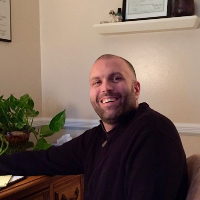
Michael Pfisterer is a licensed clinical social worker who helps people build on what already works for them. He focuses on clear goals and practical steps so clients can feel steadier and more capable. His work often addresses self esteem alongside anxiety, depression, stress, and relationship concerns.
He uses a combination of client-centered listening and solution-focused techniques to shape short-term wins and longer-term progress. Sessions look at strengths, everyday habits, and realistic tasks clients can try between meetings. This plain approach aims to reduce overwhelm and create momentum.
Pfisterer brings 14 years of experience working with a wide range of life challenges. That background includes supporting people with developmental differences such as autism and Asperger Syndrome, substance use issues, mood disorders, and trauma-related struggles. He also has experience helping those facing work and life transitions.
His practice emphasizes collaboration. He works with each person to set goals that match their values and daily life, then adjusts the plan as needs change. This makes it easier to track progress and focus on what helps most.
Outside of work he lives in South Carolina with his wife, daughters, and two dogs. He describes his reason for doing this work simply: to help people bring their aspirations and actions into better alignment.
He uses a combination of client-centered listening and solution-focused techniques to shape short-term wins and longer-term progress. Sessions look at strengths, everyday habits, and realistic tasks clients can try between meetings. This plain approach aims to reduce overwhelm and create momentum.
Pfisterer brings 14 years of experience working with a wide range of life challenges. That background includes supporting people with developmental differences such as autism and Asperger Syndrome, substance use issues, mood disorders, and trauma-related struggles. He also has experience helping those facing work and life transitions.
His practice emphasizes collaboration. He works with each person to set goals that match their values and daily life, then adjusts the plan as needs change. This makes it easier to track progress and focus on what helps most.
Outside of work he lives in South Carolina with his wife, daughters, and two dogs. He describes his reason for doing this work simply: to help people bring their aspirations and actions into better alignment.