
Betina Bolin
LCSWMissouri · 16 yrs exp
Compassionate clinician helping build self esteem
Stress, Anxiety · Trauma and abuse · Self esteem · Bipolar · +12 more
Read profileTherapist listings are provided by BetterHelp. We earn a commission at no additional cost to you if you use our links to purchase.
Browse profiles of professionals grouped under Missouri to compare focus areas, approaches, languages, credentials and therapeutic style. Review each profile and confirm that the therapist can work with you where you live before reaching out.
Use the listing grid below to narrow options by what matters to you, then read individual profiles for full details about experience and scope.
Missouri · 16 yrs exp
Compassionate clinician helping build self esteem
Stress, Anxiety · Trauma and abuse · Self esteem · Bipolar · +12 more
Read profile
Missouri · 35 yrs exp
Empathetic LCSW focused on practical self-esteem work
Stress, Anxiety · Trauma and abuse · Anger · Bipolar · +13 more
Read profile
Missouri · 17 yrs exp
Compassionate counselor focused on practical growth
Stress, Anxiety · Addictions · Relationship · Anger · +9 more
Read profile
Missouri · 35 yrs exp
Experienced counselor focusing on practical coping
Stress, Anxiety · Addictions · Trauma and abuse · Depression · +9 more
Read profile
Missouri · 6 yrs exp
Compassionate counselor for confidence and coping
Stress, Anxiety · Relationship · Parenting · Career · +11 more
Read profile
Missouri · 12 yrs exp
Compassionate counselor who helps rebuild confidence
Stress, Anxiety · Trauma and abuse · Grief · Depression · +6 more
Read profile
Missouri · 35 yrs exp
Compassionate, practical therapy for everyday challenges
Stress, Anxiety · Trauma and abuse · Parenting · Self esteem · +13 more
Read profile
Missouri · 10 yrs exp
Counselor focused on practical coping skills
Stress, Anxiety · Parenting · Self esteem · Depression · +5 more
Read profile
Missouri · 10 yrs exp
Practical, solution-focused counseling
Stress, Anxiety · Relationship · Trauma and abuse · Parenting · +11 more
Read profile
Missouri · 6 yrs exp
Compassionate counselor focused on practical self esteem work
Stress, Anxiety · Trauma and abuse · Bipolar · Depression · +10 more
Read profile
Missouri · 8 yrs exp
Guiding people toward greater self-worth and clarity
Stress, Anxiety · Relationship · Family · Trauma and abuse · +4 more
Read profile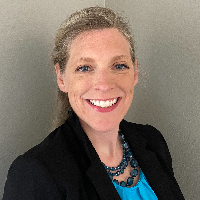
Missouri · 26 yrs exp
Compassionate clinician for practical change
Stress, Anxiety · Trauma and abuse · Grief · Self esteem · +9 more
Read profile
Missouri · 9 yrs exp
Warm, practical therapy for life and relationships
Stress, Anxiety · Relationship · Self esteem · Depression · +10 more
Read profile
Missouri · 12 yrs exp
Experienced counselor who focuses on practical change
Stress, Anxiety · Relationship · Grief · Self esteem · +1 more
Read profile
Missouri · 20 yrs exp
Helping people manage stress and self worth
Stress, Anxiety · Relationship · Trauma and abuse · Grief · +1 more
Read profile
Missouri · 18 yrs exp
Compassionate therapist who teaches practical skills
Stress, Anxiety · Addictions · Grief · Self esteem · +8 more
Read profile
Missouri · 24 yrs exp
Practical, compassionate counseling for life changes
Relationship · Grief · Intimacy-related issues · Depression · +9 more
Read profile
Missouri · 8 yrs exp
Compassionate, practical support for real-life change
Stress, Anxiety · Relationship · Self esteem · Coping with life changes · +4 more
Read profile
Missouri · 18 yrs exp
Compassionate, practical support for self esteem
Stress, Anxiety · Trauma and abuse · Self esteem · Coping with life changes · +4 more
Read profile
Missouri · 25 yrs exp
Experienced LCSW focused on self esteem and coping
Stress, Anxiety · Anger · Self esteem · Bipolar · +9 more
Read profile
Missouri · 4 yrs exp
Body-aware counseling for clearer self-esteem
Stress, Anxiety · Grief · Self esteem · Depression · +8 more
Read profile
Missouri · 4 yrs exp
Compassionate counselor focused on practical growth
Stress, Anxiety · Addictions · Relationship · Self esteem · +8 more
Read profile
Missouri · 14 yrs exp
Experienced LCSW focused on practical change
Stress, Anxiety · Bipolar · Depression · Coping with life changes · +8 more
Read profile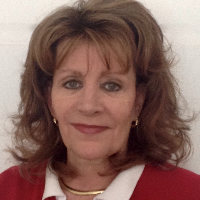
Missouri · 25 yrs exp
Experienced therapist for life transitions
Stress, Anxiety · Addictions · Grief · Self esteem · +15 more
Read profileWhen you think about self-esteem you may notice it showing up as harsh self-criticism, frequent comparison to others, shakier confidence in certain settings, or uncertainty about identity and personal values. These are common concerns people bring to therapy without being labels or diagnoses. You will want to find a professional who acknowledges the everyday ways low self-regard affects work, relationships and decision-making, and who talks with you about concrete goals that matter in your life.
Different people experience self-esteem struggles in different ways. For some, comparison to social media or peers undermines confidence. For others, long-standing patterns of self-criticism make it hard to accept praise or try new things. You may be exploring questions of identity and values after a life transition, or trying to reshape internalized standards that no longer fit. When you read profiles, look for language that matches your experience - whether a clinician mentions working with self-criticism, perfectionism, social anxiety-related comparison, confidence-building, identity exploration, or values clarification - because that language can signal who frames these concerns in ways that resonate with you.
Profiles grouped under Missouri indicate the listed location for a therapist, but that grouping is not evidence of an office address, in-person practice, or active licensing in every circumstance. You should check each individual profile for licensing information and ask the therapist directly to confirm permission to work with you where you live. Licensing varies by state and determines whether a clinician is legally permitted to provide care in a given location. When a profile lists credentials like a license type, degree, or professional designation, take that as one piece of information to verify rather than a guarantee.
Some profiles will note languages spoken, years of experience, or populations a clinician commonly works with. These details help you narrow options, but they do not replace a conversation about scope of practice. If you rely on a particular format - in-person meetings versus remote sessions - confirm the therapist can meet you in that format and in your jurisdiction. If you have concerns that require specialized practice, ask about relevant experience and whether the clinician has a referral network to help you find a better fit if needed.
When you contact a clinician or read their profile, frame your questions to get clear, comparable answers. Ask how they describe their work with self-esteem - for example, whether they emphasize exploring personal values, addressing self-critical thoughts, working on interpersonal patterns, or building practical skills for confidence in specific situations. If a profile mentions particular approaches, you can ask how those approaches are used in practice by saying something like "I noticed you list CBT among your approaches - how might that shape the way you work with self-criticism?" This keeps the focus on how methods translate to real sessions rather than assuming specific credentials.
Inquire about relevant experience by asking how often the clinician has worked with people who share your concerns, life stage, or cultural background. If you want therapy in a language other than English, confirm fluency and whether clinical work will be in that language. You can also ask about typical session structure and what you might expect in the first few meetings. These questions help you compare how different profiles describe approach and experience without relying on labels alone.
If you are considering remote sessions with someone listed under Missouri, there are practical and ethical topics to cover before starting. Begin by confirming licensing and permission to provide services to residents where you live. Ask about how the clinician handles emergency situations when you are not in the same jurisdiction. Discuss technology preferences and any back-up plan if a connection fails or you need to pause a session unexpectedly.
Talk through boundaries and communication norms - for instance, how they handle messages between meetings and their expected response times. If you have concerns about privacy at home when attending a session, describe your setting and ask for suggestions for creating a comfortable environment. Clarify whether they work with the specific issues you bring, and if not, whether they can recommend local alternatives or colleagues. These conversations make it easier for you to decide if a particular clinician’s approach and practical arrangements fit your needs.
Comparing profiles is easier when you use consistent criteria. Start with focus areas - look for clinicians who explicitly list self-esteem-related concerns you identify with, such as self-criticism, social comparison, identity questions, confidence in relationships or at work, or clarifying personal values. Notice how each profile frames those concerns - some clinicians emphasize skill-building and behavioral experiments, while others highlight narrative work to explore identity and values. If a profile lists approaches like acceptance-based work, psychodynamic perspectives, or that they include EMDR among their approaches, treat that as an invitation to ask how those approaches are applied rather than as a claim of any specific credential.
Languages and cultural background can influence how comfortable you feel in sessions. If a profile lists multiple languages, make a note and ask about therapeutic work in those languages. Review credentials on the profile as starting points for verification - licensing board searches can confirm standing and scope of practice. Pay attention to descriptions of style - whether a clinician describes themselves as directive, collaborative, exploratory, practical, or reflective - because style affects how you might engage in the work. Finally, remember that a listed topic does not automatically mean the clinician treats children, couples, or families. If your needs include those formats, check the profile carefully and discuss scope directly with the therapist.
Using these comparison strategies helps you narrow choices thoughtfully. Profiles offer useful signals, but your conversation with the clinician will provide the clearest sense of fit, scope and whether they can legally and practically work with you where you live. Take time to read profiles, prepare questions, and trust your judgment about which descriptions feel most aligned with what you want to address.
Attachment Issues
1781 therapists
Codependency
1563 therapists
Communication Problems
2961 therapists
Coping with Life Changes
3303 therapists
Divorce
1737 therapists
Family
2614 therapists
Family of Origin Issues
1347 therapists
Forgiveness
2292 therapists
Jealousy
952 therapists
Life Purpose
2749 therapists
Relationship
3199 therapists