
Lydia Fabbroni
LCSWNew Mexico · 20 yrs exp
Experienced LCSW focused on practical change
Stress, Anxiety · Self esteem · Bipolar · Depression · +8 more
Read profileTherapist listings are provided by BetterHelp. We earn a commission at no additional cost to you if you use our links to purchase.
Browse profiles of therapists associated with New Mexico who list self-esteem among their specialties. Compare focus areas, therapeutic approaches, languages and credentials, then open profiles to learn more.
New Mexico · 20 yrs exp
Experienced LCSW focused on practical change
Stress, Anxiety · Self esteem · Bipolar · Depression · +8 more
Read profile
New Mexico · 19 yrs exp
Helping you build steady self-esteem
Stress, Anxiety · LGBT · Trauma and abuse · Parenting · +7 more
Read profile
New Mexico · 4 yrs exp
Engaged, practical support for everyday challenges
Stress, Anxiety · Relationship · Trauma and abuse · Intimacy-related issues · +11 more
Read profile
New Mexico · 17 yrs exp
Practical, person-focused counseling
Stress, Anxiety · Addictions · Relationship · Family · +9 more
Read profile
New Mexico · 35 yrs exp
Experienced counselor focused on personal growth
Addictions · Relationship · Parenting · Self esteem · +12 more
Read profile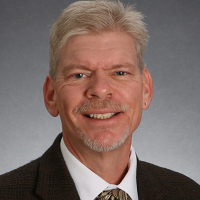
New Mexico · 16 yrs exp
Helping people build stronger self worth
Stress, Anxiety · Trauma and abuse · Grief · Depression · +15 more
Read profile
New Mexico · 12 yrs exp
Asynchronous messaging psychotherapy
Stress, Anxiety · Relationship · Self esteem · Depression · +13 more
Read profile
New Mexico · 14 yrs exp
Compassionate, practical support for life changes
Stress, Anxiety · Relationship · Grief · Depression · +7 more
Read profile
New Mexico · 15 yrs exp
Experienced LCSW focused on practical support
Stress, Anxiety · Addictions · Trauma and abuse · Grief · +6 more
Read profile
New Mexico · 12 yrs exp
Practical, steady support for everyday struggles
Stress, Anxiety · Family · Trauma and abuse · Parenting · +8 more
Read profile
New Mexico · 15 yrs exp
Compassionate counselor for practical self esteem work
Trauma and abuse · Parenting · Stress, Anxiety · Addictions · +7 more
Read profile
New Mexico · 10 yrs exp
Empathetic therapist focused on practical change
Stress, Anxiety · Relationship · Grief · Anger · +6 more
Read profile
New Mexico · 39 yrs exp
Practical, relationship-focused therapy and coaching
Stress, Anxiety · Relationship · Grief · Anger · +4 more
Read profile
New Mexico · 17 yrs exp
Compassionate therapist focused on confidence and coping
Stress, Anxiety · Family · Parenting · Self esteem · +9 more
Read profile
New Mexico · 10 yrs exp
A grounded guide for stress and self esteem
Stress, Anxiety · Trauma and abuse · Intimacy-related issues · Self esteem · +11 more
Read profile
New Mexico · 11 yrs exp
Compassionate support for stronger self esteem
Stress, Anxiety · Family · Trauma and abuse · Depression · +11 more
Read profile
New Mexico · 40 yrs exp
Seasoned counselor offering practical, collaborative care
Stress, Anxiety · LGBT · Relationship · Grief · +13 more
Read profile
New Mexico · 8 yrs exp
Compassionate counselor for stronger self esteem
Stress, Anxiety · Depression · Coping with life changes · LGBT · +5 more
Read profile
New Mexico · 32 yrs exp
Experienced counselor focused on practical self-esteem work
Stress, Anxiety · Addictions · LGBT · Trauma and abuse · +14 more
Read profile
New Mexico · 35 yrs exp
Compassionate, strengths-based social worker
Stress, Anxiety · Grief · Career · Coping with life changes · +12 more
Read profile
New Mexico · 12 yrs exp
Experienced LCSW focused on growth
Stress, Anxiety · Self esteem · Coping with life changes · Coaching · +14 more
Read profile
New Mexico · 12 yrs exp
Practical therapy for better self-regard
Stress, Anxiety · Addictions · Trauma and abuse · Grief · +12 more
Read profile
New Mexico · 10 yrs exp
Person-centered counselor focused on growth
Stress, Anxiety · Trauma and abuse · Depression · Coping with life changes · +10 more
Read profile
New Mexico · 24 yrs exp
Calm, practical support for everyday struggles
Stress, Anxiety · Addictions · Trauma and abuse · Grief · +11 more
Read profileWhen you search for help with self-esteem, you are likely wrestling with recurring self-criticism, painful comparisons to others, doubts about your abilities, or questions about your identity and personal values. These are all legitimate concerns that show up in everyday life - at work, in relationships, and when you think about who you want to be. As you read profiles, notice how therapists describe the kinds of self-esteem issues they mention. Some profiles emphasize work on harsh inner criticism and negative self-talk, while others highlight identity exploration or rebuilding confidence after life changes. Pay attention to language that resonates with your experience rather than looking for a single named fix. You can benefit from choosing someone whose profile reflects attention to the specific patterns that cause you distress, such as comparison-driven thought patterns, low confidence in social settings, or conflicts between your choices and stated values.
It helps to clarify for yourself which aspects of self-esteem matter most. Are you seeking help for self-criticism that undermines daily functioning, for comparisons that sap joy, or for alignment between your actions and your values? A clear sense of your priorities will make it easier to compare profiles and identify therapists whose descriptions talk about similar issues. Remember that a listed interest in self-esteem is not a guarantee of a particular treatment style - it is a starting point for conversation.
Location information on a profile groups therapists by the area recorded, but it does not guarantee an office address, in-person availability, or that someone is licensed to practice with you where you live. You should check each individual profile carefully and confirm directly with the therapist whether they are permitted to work with you in your state or jurisdiction. Licensure terms vary, so look for clear statements of professional credentials and then verify those credentials with the appropriate licensing board. Typical credential abbreviations you may encounter include licensed clinical social worker, licensed professional counselor, psychologist with a PhD or PsyD, and others. Those labels tell you about the type of license a clinician holds, but not about their experience with a specific concern.
When examining credentials, consider whether the profile lists the license type and the state associated with it. If you plan to work across state lines or remotely, ask the therapist whether their license allows them to provide care in your location. Profiles may also list graduate degrees and professional affiliations. Use that information as context for questions about scope of practice and legal permission to work with you; these are practical verifications rather than endorsements of outcomes or suitability.
Profiles often name approaches or therapeutic orientations, but that does not establish formal certification or guarantee consistent use of any single method. A practical way to evaluate fit is to prepare concrete questions you can raise when you contact someone. You might ask how they tend to work with people who struggle with self-criticism and whether they focus on changing thinking patterns, exploring identity and values, or building everyday skills for coping with comparisons. If a profile lists specific approaches, ask how those approaches are applied in practice and how they might fit your situation. For example, many profiles will mention therapists who list EMDR among their approaches - you can ask those therapists to describe when that approach is typically considered and how it might be integrated with other work.
Also ask about clinical experience related to your circumstances. Which age groups, cultural communities, or life stages do they commonly work with? Do they note experience helping people with identity questions, career transitions, or relationship-related confidence concerns? Avoid assuming that a listed topic means the therapist treats children, couples, or families; instead ask directly about scope. Practical questions about communication style can clarify whether you would prefer a therapist who offers direct feedback and structured exercises or one who takes a more exploratory, reflective stance. These conversations give you a clearer sense of how a therapist approaches self-esteem without relying on labels alone.
If you are considering remote meetings, there are specific points worth discussing in advance. Confirm that the therapist has permission to work with clients in your location and that licensure requirements are met for cross-jurisdictional care. Ask about the technology they use and what you can expect in terms of how appointments are scheduled and documented. It is reasonable to ask how the therapist handles privacy protections for electronic communications and what their recordkeeping practices are. You may also want to ask about how they approach safety planning and what steps they recommend if you experience a crisis between meetings.
Before you begin, clarify how language and cultural factors will be handled. If you prefer to work in a language other than English, check whether the therapist lists that language on their profile. Discuss whether they have experience with cultural or identity issues similar to your own and how they integrate respect for your values into clinical conversations. Finally, consider your physical setting when meeting remotely - choose a quiet room where you can speak freely and let the therapist know if you will need specific accommodations so the conversation can be helpful and practical for your situation.
When you compare profiles, look beyond headlines and read the descriptions with an eye toward specific indicators of fit. Focus areas often include phrases like self-criticism, comparison, identity exploration, assertiveness, or values-based decision making. Note which of those align most closely with your goals. Language offerings are important if you feel more comfortable speaking in a language other than English; profiles will often list languages spoken. Credentials tell you about the clinician's licensure and educational background, which are important for legal and professional clarity. Style is perhaps the most personal aspect - some therapists describe themselves as collaborative and goal-oriented, while others emphasize listening and reflective exploration. Match the description to what helps you feel understood and challenged in the right way.
Ask concrete comparison questions as you browse. Which profiles mention experience with the specific pattern that causes you distress - repeated comparison, identity conflict, or persistent self-doubt? Which therapists list languages or cultural experience that matter to you? Are there clear statements about the populations they work with, and do those align with your needs? Remember to confirm scope directly, because a listed interest in self-esteem does not establish that the therapist works with children, couples, or families, or that they will take on every kind of concern. Reach out to profiles that feel like a plausible match and use an initial conversation to confirm licensure, permission to work in your location, and whether the clinician’s practical approach fits what you are seeking.
Choosing a therapist is a personal process. By focusing on how profiles describe focus areas, approaches, languages, credentials, and style, and by preparing specific questions to ask, you can make an informed decision about who to contact and what to discuss first. Always verify professional credentials and whether a clinician is permitted to work with you in your state before beginning work together. That verification helps ensure that the practical and legal aspects of care are clear while you decide whether a therapist’s approach matches the support you want for your self-esteem concerns.
Attachment Issues
1781 therapists
Codependency
1563 therapists
Communication Problems
2961 therapists
Coping with Life Changes
3303 therapists
Divorce
1737 therapists
Family
2614 therapists
Family of Origin Issues
1347 therapists
Forgiveness
2292 therapists
Jealousy
952 therapists
Life Purpose
2749 therapists
Relationship
3199 therapists