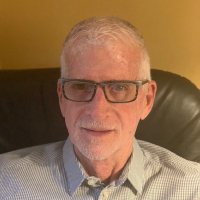
Kevin Farrell
LCSWConnecticut · 20 yrs exp
Experienced LCSW focused on building self esteem
Addictions · LGBT · Self esteem · Coping with life changes · +9 more
Read profileTherapist listings are provided by BetterHelp. We earn a commission at no additional cost to you if you use our links to purchase.
Browse clinician profiles in Connecticut who list self-esteem among their specialties to compare focus areas, approaches, languages, and credentials. Review each profile and confirm the individual's license and permission to work with you in your location before reaching out.
Connecticut · 20 yrs exp
Experienced LCSW focused on building self esteem
Addictions · LGBT · Self esteem · Coping with life changes · +9 more
Read profile
Connecticut · 22 yrs exp
Compassionate, practical therapy for self esteem and more
Stress, Anxiety · Family · Trauma and abuse · Depression · +14 more
Read profile
Connecticut · 14 yrs exp
Compassionate Social Worker for Relationship Challenges
Relationship · Family · Parenting · Anger · +6 more
Read profileWhen you look for support around self-esteem, you are often dealing with patterns that affect how you see yourself and how you respond to others. You may notice persistent self-criticism that sidelines your goals, comparisons that leave you feeling diminished, or uncertainty about your identity and personal values. These experiences can show up as difficulty speaking up at work, hesitancy in relationships, or a sense that you are living according to others expectations rather than your own priorities. It is normal to want help understanding where those patterns come from and tools to shift them in ways that feel sustainable.
In seeking care, you will likely want someone who pays attention to how your past experiences, current stressors, and day-to-day habits shape your self-regard. You might be interested in exploring how negative self-talk gets triggered, how social media or comparison fuels insecurity, or how conflicting values create internal tension. A thoughtful conversation about these topics can help you decide which clinician profile feels like a professional and interpersonal fit for the way you prefer to work.
Profiles grouped under Connecticut indicate a listed location but are not proof of an office, physical proximity, or a current license in that state. You should check each individual profile for explicit licensure details and ask the clinician to confirm they have permission to work with you where you live. Licenses are issued by state regulatory boards and may show designations such as LCSW, LMFT, or LPC. PsyD and PhD are academic degrees, separate from professional licensure. Those abbreviations tell you about educational background and the type of credential held, but they do not describe how a clinician works with self-esteem concerns specifically.
When you review credentials, look for clear statements about the scope of practice and the populations a clinician serves. Some profiles will note work with adults, adolescents, older adults, or other groups - but a listed topic does not establish that the clinician treats children, couples, or families. If your needs relate to a particular age group or relationship context, ask the clinician directly whether that falls within their scope. Verifying licensure through your state board or asking for a license number are reasonable steps if you want to confirm current standing before making contact.
Knowing what to ask can make initial conversations more productive and help you compare clinicians on meaningful dimensions. Ask clinicians how they conceptualize self-esteem concerns and what a typical first few sessions might focus on. You can inquire whether they have experience with issues like pervasive self-criticism, social comparison, identity exploration, or values clarification. Request examples of the kinds of strategies they discuss with clients, remembering that a profile may list an approach but that does not prove a particular training credential.
It is useful to ask about specific approaches in neutral terms, for example whether therapists who list CBT among their approaches tend to use structured exercises to address negative self-talk, or whether therapists who list psychodynamic approaches focus more on patterns that developed over time. You might also ask whether clinicians list mindfulness-based, acceptance-oriented, or trauma-informed perspectives among their approaches and how those frameworks are tailored to individual needs. Concrete questions about previous experience - asking how they have worked with concerns similar to yours, how they measure progress, and what they expect of a client during the process - will clarify fit far more than general statements.
If you are considering remote care, have a clear conversation about the practical and legal considerations that affect whether a clinician can work with you. Ask the clinician to confirm that they have permission to provide care to clients living in your state and whether any licensing or regulatory requirements affect your work together. Clarify how they handle communication and records, what platform they use, and what to do in an emergency. Discussing boundaries around messaging, typical response times, and how they coordinate with other professionals can prevent misunderstandings down the line.
It is also reasonable to talk about how a clinician addresses technology interruptions, whether they will provide guidance if a session is cut short, and how they document sessions. If you have concerns about privacy or data handling, ask how the clinician protects your information and what policies govern notes and disclosure. Bringing these topics up before beginning care helps you make an informed choice and sets expectations for how you will work together across distance.
When you compare profiles, consider several concrete dimensions that affect whether a clinician feels like a good match. Look at focus areas to see whether a clinician explicitly references self-criticism, social comparison, confidence-building, identity exploration, or values work. Note languages spoken if communicating in your primary language matters for nuance and comfort. Check credentials for licensure types and educational background, and remember to verify current standing when that matters to you.
Therapeutic style is often described in a profile as collaborative, direct, reflective, or skills-oriented. Think about which of these styles resonates with how you prefer to receive feedback. Ask clinicians for examples of how they adapt their style to different personalities and life circumstances. If cultural factors matter, inquire about experience working with people from similar backgrounds and how cultural values are integrated into conversations about self-worth and identity. Finally, if your needs involve other relationship contexts, explicitly discuss whether the clinician works with couples, families, or children, rather than assuming scope from a topic listing. Comparing profiles with specific questions in mind helps you move from broad interest to a more informed conversation with the clinician you choose to contact.
Attachment Issues
1781 therapists
Codependency
1563 therapists
Communication Problems
2961 therapists
Coping with Life Changes
3303 therapists
Divorce
1737 therapists
Family
2614 therapists
Family of Origin Issues
1347 therapists
Forgiveness
2292 therapists
Jealousy
952 therapists
Life Purpose
2749 therapists
Relationship
3199 therapists