
Danielle Turner
LCPCNevada · 10 yrs exp
Compassionate counselor for self esteem and healing
Stress, Anxiety · Trauma and abuse · Parenting · Self esteem · +15 more
Read profileTherapist listings are provided by BetterHelp. We earn a commission at no additional cost to you if you use our links to purchase.
Browse profiles to compare therapists who list self-esteem as a focus - you can evaluate approaches, focus areas, languages, credentials, and therapeutic style. Review each profile and confirm the clinician's license and permission to work with you where you live before reaching out.
Nevada · 10 yrs exp
Compassionate counselor for self esteem and healing
Stress, Anxiety · Trauma and abuse · Parenting · Self esteem · +15 more
Read profile
Nevada · 20 yrs exp
Compassionate therapist helping rebuild confidence
Stress, Anxiety · Self esteem · Depression · Coping with life changes · +8 more
Read profile
Nevada · 18 yrs exp
Practical, values-focused therapy for life changes
Stress, Anxiety · Self esteem · Career · Depression · +12 more
Read profile
Nevada · 5 yrs exp
Practical support for stronger self esteem
Stress, Anxiety · Family · Grief · Self esteem · +1 more
Read profile
Nevada · 17 yrs exp
Practical, listening-focused therapy for everyday struggles
Stress, Anxiety · Addictions · Relationship · Trauma and abuse · +11 more
Read profile
Nevada · 12 yrs exp
Therapist focused on identity and resilience
Stress, Anxiety · LGBT · Trauma and abuse · Intimacy-related issues · +14 more
Read profile
Nevada · 32 yrs exp
Experienced LCSW focused on practical change
Stress, Anxiety · Relationship · Family · Trauma and abuse · +12 more
Read profile
Nevada · 9 yrs exp
Compassionate therapist focused on practical growth
Stress, Anxiety · Addictions · Relationship · Intimacy-related issues · +8 more
Read profile
Nevada · 8 yrs exp
Grounded, relational support for life transitions
Stress, Anxiety · Addictions · Relationship · Family · +15 more
Read profile
Nevada · 15 yrs exp
Empowering practical steps to stronger self worth
Stress, Anxiety · Addictions · Anger · Self esteem · +6 more
Read profile
Nevada · 3 yrs exp
Reframe your story, build steady self esteem
Self esteem · Career · Depression · Coping with life changes · +1 more
Read profile
Nevada · 3 yrs exp
Compassionate, practical therapy for self-worth
Stress, Anxiety · Addictions · Anger · Self esteem · +1 more
Read profile
Nevada · 3 yrs exp
Compassionate, skill-focused support for life stress
Stress, Anxiety · Grief · Self esteem · Bipolar · +1 more
Read profile
Nevada · 4 yrs exp
Practical support for stress and self worth
Stress, Anxiety · LGBT · Trauma and abuse · Self esteem · +1 more
Read profile
Nevada · 6 yrs exp
Compassionate, practical therapy for self-worth
Stress, Anxiety · Trauma and abuse · Self esteem · Depression · +1 more
Read profile
Nevada · 38 yrs exp
Experienced counselor focused on self esteem and relationships
Stress, Anxiety · Relationship · Family · Trauma and abuse · +8 more
Read profile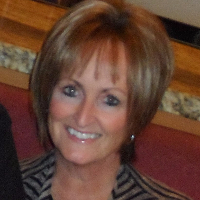
Nevada · 30 yrs exp
Compassionate support for clearer thinking and confidence
Stress, Anxiety · Grief · Self esteem · Coping with life changes · +14 more
Read profile
Nevada · 10 yrs exp
Compassionate, practical therapy for everyday life
Stress, Anxiety · Relationship · Self esteem · Depression · +7 more
Read profile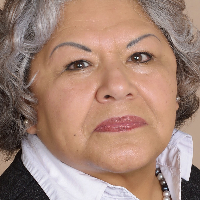
Nevada · 3 yrs exp
Therapist focused on practical growth
Stress, Anxiety · Relationship · Family · Trauma and abuse · +11 more
Read profile
Nevada · 20 yrs exp
Practical support for stress and self esteem
Stress, Anxiety · Family · Trauma and abuse · Self esteem · +11 more
Read profile
Nevada · 10 yrs exp
Compassionate therapist focused on practical growth
Relationship · Family · Trauma and abuse · Compassion fatigue · +6 more
Read profile
Nevada · 10 yrs exp
Compassionate social worker helping build confidence
Stress, Anxiety · Grief · Self esteem · Depression · +7 more
Read profile
Nevada · 12 yrs exp
Compassionate counselor focused on self-esteem and skills
Relationship · Family · Self esteem · Depression · +7 more
Read profile
Nevada · 3 yrs exp
Compassionate clinician guiding practical change
Stress, Anxiety · Grief · Self esteem · Addictions · +13 more
Read profileWhen you search for support around self-esteem, you are often looking to address recurring patterns that interfere with how you see yourself and how you relate to others. You might notice persistent self-criticism that shows up as a harsh inner voice, frequent comparisons to others that leave you feeling diminished, or difficulty asserting your needs because of worry about judgment. Self-esteem concerns also show up as uncertainty about identity during major life transitions such as career shifts, relationship changes, or moves. You may find it hard to identify what you value or to act in ways that align with those values, which can erode a sense of confidence over time.
Thinking about these experiences as concerns rather than diagnoses can help you focus on practical steps. In a conversation with a clinician you can explore where the self-criticism began, how comparison habits are reinforced by social environments, and whether there are cultural or family expectations shaping your sense of self. Many people also find it useful to clarify what confidence would look like for them personally - which can involve small behavioral changes, shifts in self-talk, or exploring identity and values more deeply. These are the kinds of topics you can expect to discuss when you review profiles and prepare questions for a potential match.
Profiles grouped under Nevada reflect the location information recorded by therapists, but that grouping alone does not prove an office address, ongoing practice in a particular city, or permission to work with every resident. For that reason you should check each individual profile for license details and contact the clinician directly to confirm they are permitted to work with you where you live. State licensing boards provide records you can use to verify licenses and to learn about the credential listed on a profile.
Common credential abbreviations you will see on profiles represent different educational and regulatory paths. Those include designations such as licensed clinical social worker, licensed professional counselor, marriage and family therapist, and psychologist. These titles are regulated by state boards, and they give you a starting point for checking scope of practice and licensure status. A profile's mention of a focus area or an approach indicates the clinician lists that topic or method among their interests, but it does not establish training level, certification, or the exact range of services they offer. If you have questions about a credential or what it means for practice, asking the clinician for clarification is a reasonable next step.
When you review profiles, prepare questions that help you compare approaches and real-world experience. You can ask how a clinician has worked with people who struggle with self-criticism and comparison, and what kinds of strategies they commonly discuss with those clients. It is appropriate to ask whether they have experience working with identity issues similar to yours, such as cultural background, sexual orientation, gender identity, or major life transitions. If language access matters to you, ask which languages they provide services in and whether they have experience discussing culturally specific experiences in those languages.
If you are curious about particular therapeutic options, frame questions in a way that highlights your interest without assuming universal use. For example, you might say you have read about certain approaches and ask whether the clinician is among those who list that approach and, if so, how they typically apply it when addressing self-esteem concerns. You can also ask about the clinician's typical focus during early sessions, how they partner with people to set goals, and how they measure or reflect on progress together. Those concrete questions will give you more insight into fit than general statements and will help you decide which profiles merit a direct conversation.
If you are considering remote sessions, there are practical topics to address so you know what to expect. Confirm whether the clinician is authorized to provide services to people in your state or locality, and ask how they handle emergency planning when you are not in the same place. Discuss the technology they use and how information about your sessions is handled, including any privacy protections or record keeping practices they follow. It is also helpful to agree on preferred modes of communication for questions between appointments and to clarify boundaries around response times and types of outreach the clinician will engage in.
Another important conversation concerns the logistics that affect your ability to participate consistently. Talk about scheduling norms, how cancellations are managed, and what supports are available if a technical problem interrupts a session. If you rely on accommodations - for hearing, visual access, or other needs - ask how the clinician can meet those needs in a remote setting. Above all, make sure you confirm that the clinician is able to work with you where you live and understands the local resources that might be relevant to your safety and support.
Comparing profiles effectively means looking beyond a single line that says self-esteem and reading how each clinician describes their focus and style. Pay attention to the examples they give of the populations they work with and the themes they emphasize, such as confidence-building, identity exploration, or managing comparison and social pressures. When a profile lists particular approaches, understand that this indicates areas the clinician references among their tools - you can ask for examples of how those approaches are used in practice with people who bring self-esteem concerns.
Language and cultural fit can matter a great deal, so notice whether a clinician lists the languages they work in and whether they explicitly mention experience with cultural factors that are important to you. Credentials tell you which regulatory framework governs practice, and that can inform your verification steps with the state board. Finally, consider tone and detail in bios as signals of therapeutic style - some clinicians describe a more directive, skills-focused way of working while others emphasize reflective or exploratory partnerships. Those descriptive cues, combined with the concrete questions suggested earlier, will help you prioritize profiles to contact. Remember that profiles are a starting point: a conversation is the clearest way to determine whether a clinician's approach, experience, and style align with what you are looking for.
Attachment Issues
1781 therapists
Codependency
1563 therapists
Communication Problems
2961 therapists
Coping with Life Changes
3303 therapists
Divorce
1737 therapists
Family
2614 therapists
Family of Origin Issues
1347 therapists
Forgiveness
2292 therapists
Jealousy
952 therapists
Life Purpose
2749 therapists
Relationship
3199 therapists