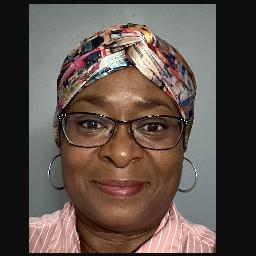
- Person-centered approach
- CBT and DBT methods
- Focus on self esteem
About Shelia
Dr. Shelia Williamson Collins is a licensed counselor practicing in North Carolina with 18 years of experience. Sheila holds LPC and LCPC credentials and brings long-term work in behavioral health to her sessions. She speaks English and focuses on helping people manage stress, anxiety, addictions, trauma, and self-esteem concerns.
Sheila prefers a person-centered style that starts with listening to each person's story. After hearing what matters to a client, she draws on approaches like cognitive behavioral therapy and dialectical behavior therapy to shape practical steps. Sessions often emphasize coping skills, emotion regulation, and clearer thinking about habits and relationships.
Her background includes work in inpatient psychiatric settings, outpatient clinics, community mental health, and residential substance programs. Those roles inform how she supports people dealing with mood disorders, relapse prevention, and process addictions. She also addresses caregiver stress, multicultural concerns, and grief.
In a typical session she helps people identify small, manageable changes. This can mean learning strategies for anger, building routines to support mood, or practicing communication skills. Sheila also addresses intimacy-related issues, parenting strain, and the impacts of trauma.
She suggests clients consider session frequency and will try to accommodate weekly meetings when possible. To begin, readers should use the continue button on this profile to complete a short matching questionnaire and schedule according to therapist availability.
Sheila prefers a person-centered style that starts with listening to each person's story. After hearing what matters to a client, she draws on approaches like cognitive behavioral therapy and dialectical behavior therapy to shape practical steps. Sessions often emphasize coping skills, emotion regulation, and clearer thinking about habits and relationships.
Her background includes work in inpatient psychiatric settings, outpatient clinics, community mental health, and residential substance programs. Those roles inform how she supports people dealing with mood disorders, relapse prevention, and process addictions. She also addresses caregiver stress, multicultural concerns, and grief.
In a typical session she helps people identify small, manageable changes. This can mean learning strategies for anger, building routines to support mood, or practicing communication skills. Sheila also addresses intimacy-related issues, parenting strain, and the impacts of trauma.
She suggests clients consider session frequency and will try to accommodate weekly meetings when possible. To begin, readers should use the continue button on this profile to complete a short matching questionnaire and schedule according to therapist availability.