
Tina Echterling
LPC, LMHCIndiana · 9 yrs exp
Compassionate direct care for real-life struggles
Stress, Anxiety · Addictions · LGBT · Depression · +10 more
Read profileTherapist listings are provided by BetterHelp. We earn a commission at no additional cost to you if you use our links to purchase.
This page groups profiles of clinicians who list self-esteem among their specialties and are recorded under Indiana. You can compare credentials, therapeutic approaches, languages, and style, then browse individual profiles to learn more.
Indiana · 9 yrs exp
Compassionate direct care for real-life struggles
Stress, Anxiety · Addictions · LGBT · Depression · +10 more
Read profile
Indiana · 15 yrs exp
Compassionate counselor focusing on growth
Stress, Anxiety · Relationship · Family · Trauma and abuse · +10 more
Read profile
Indiana · 11 yrs exp
Practical support for self-esteem and relationships
Relationship · Family · Trauma and abuse · Self esteem · +8 more
Read profile
Indiana · 10 yrs exp
Compassionate, practical help for life’s challenges
Stress, Anxiety · Addictions · Trauma and abuse · Grief · +14 more
Read profile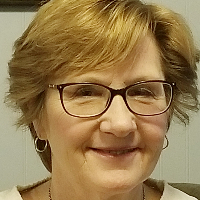
Indiana · 21 yrs exp
Compassionate social worker for life transitions
Stress, Anxiety · Relationship · Trauma and abuse · Grief · +10 more
Read profile
Indiana · 6 yrs exp
Grounded support for change and self worth
Stress, Anxiety · Relationship · Trauma and abuse · Grief · +11 more
Read profile
Indiana · 10 yrs exp
Compassionate, practical help for everyday struggles
Stress, Anxiety · Addictions · Self esteem · Depression · +12 more
Read profile
Indiana · 35 yrs exp
Experienced LCSW focusing on self-esteem and life changes
Stress, Anxiety · Grief · Self esteem · Depression · +4 more
Read profile
Indiana · 15 yrs exp
Compassionate LCSW guiding practical emotional change
Stress, Anxiety · LGBT · Relationship · Grief · +16 more
Read profile
Indiana · 7 yrs exp
Direct, relationship-focused therapist
Stress, Anxiety · Relationship · Family · Parenting · +9 more
Read profile
Indiana · 8 yrs exp
Compassionate, practical therapy for everyday challenges
Stress, Anxiety · Relationship · Family · Self esteem · +10 more
Read profile
Indiana · 9 yrs exp
Compassionate counselor for everyday struggles
Stress, Anxiety · Relationship · Trauma and abuse · Self esteem · +13 more
Read profile
Indiana · 16 yrs exp
Hopeful direction for people feeling stuck
Stress, Anxiety · Relationship · Grief · Self esteem · +3 more
Read profile
Indiana · 6 yrs exp
Compassionate help for stress and self esteem
Stress, Anxiety · Depression · Relationship · Trauma and abuse · +6 more
Read profile
Indiana · 5 yrs exp
Practical guidance for everyday emotional struggles
Stress, Anxiety · Family · Parenting · Anger · +10 more
Read profile
Indiana · 3 yrs exp
Empathetic social worker focused on practical growth
Stress, Anxiety · Parenting · Self esteem · Depression · +10 more
Read profile
Indiana · 14 yrs exp
Therapist focused on practical self-esteem work
Relationship · Family · Career · Depression · +16 more
Read profile
Indiana · 20 yrs exp
Focused practical support for self worth
Stress, Anxiety · Grief · Parenting · Self esteem · +9 more
Read profile
Indiana · 22 yrs exp
Therapist focused on steady, practical support
Stress, Anxiety · Trauma and abuse · Anger · Bipolar · +10 more
Read profile
Indiana · 16 yrs exp
Direct, compassionate guidance for stronger self-esteem
Stress, Anxiety · Addictions · Relationship · Anger · +4 more
Read profileIf you are exploring help for self-esteem, you are likely noticing patterns such as harsh self-criticism, frequent comparison with others, uncertainty about personal values, or doubts about competence and identity. Those experiences are often linked to everyday stresses, transitions, or long-standing ways of seeing yourself rather than a single diagnosis. In practical terms, seeking a therapist can be a way to look more closely at the thoughts and behaviors that erode your sense of self-worth and to practice different ways of relating to yourself and others.
When you read therapist profiles, look for language that reflects an interest in issues like self-criticism, comparison, confidence, identity, and values. Profiles that mention these topics can indicate a clinician who is attentive to the themes you care about, but note that a listed focus is simply a signal to explore further. It can be especially helpful to identify what you most want to change or understand - whether you are trying to reduce negative self-talk, build clearer personal boundaries, reconnect with your values, or manage comparisons influenced by social media - and then use those priorities to guide the profiles you examine.
The listing of Indiana as a listed location is a starting point for geographic relevance, not proof of an office address, physical proximity, or permission to provide services where you live. You should check each therapist's individual profile and confirm that they are authorized to work with you in your state. Licensing rules differ across professions and jurisdictions, so verification helps you understand the professional standards a clinician follows and whether they are permitted to practice in your location.
Credentials on a profile can indicate a clinician's educational background or professional role, but a credential listed on a directory does not verify current licensure or the scope of practice. When you review a profile, note the credential abbreviations and then confirm licensure through the appropriate state licensing board or by asking the therapist directly. You can ask a clinician to describe what their listed credential means in practical terms for the services they provide and whether they maintain an active license in Indiana or in the state where you are located.
Profiles often mention therapeutic approaches that clinicians may use, such as cognitive-behavioral techniques, emotion-focused work, or mindfulness-informed strategies. Those mentions are prompts for conversation rather than guarantees of practice. It is reasonable to ask a therapist to explain how they apply certain approaches to self-esteem concerns and to describe examples of what a typical session might focus on. You might ask, How do you work with people who are overly self-critical? What kinds of conversations do you have around comparing yourself to others? How do you help someone reconnect with their values and sense of identity?
It is also helpful to ask about experience with particular life contexts that matter to you. If identity-related issues, cultural background, or life stage are central to your concerns, you can ask about the therapist's experience supporting people with similar concerns and how they take those factors into account in therapy. A good exploratory conversation will give you a sense of whether the clinician listens in a way that matches your needs, whether they offer strategies you understand, and how they measure progress without promising specific outcomes.
If you are considering remote sessions, clarify practical and ethical details before beginning. Ask whether the clinician is authorized to provide services to people in your state and how they handle documentation and record keeping. Discuss communication norms - for example, how you will reach them between sessions if needed, what response times to expect, and whether certain topics require urgent, in-person assistance elsewhere. It is important to establish a plan for emergencies that fits your situation and to know what local resources you should contact if a crisis arises.
Technology and privacy practices are worthy topics as well. You can ask what platform or tools are used for online conversation and how data is managed, so you feel comfortable with the practical side of care. Talk about what a typical appointment will look like so you know whether sessions will be mostly conversation, work on specific skills, or reflective exercises. Confirming these details ahead of time helps you set expectations and makes it easier to decide if the therapist's working style aligns with how you prefer to engage.
When comparing profiles, begin with your priorities and then read descriptions for signals that matter to you. If language is important, check each profile for spoken languages and ask whether the clinician uses those languages fluently in clinical work. If you want someone who understands particular cultural, gender, or life-stage issues, look for explicit wording about experience with those topics and ask for examples of how they integrate those factors in sessions. Remember that a listed topic does not establish that the therapist treats children, couples, or families, so confirm the actual scope of practice directly.
Pay attention to how profiles describe style - some clinicians emphasize a gentle, exploratory pace while others emphasize practical skills and homework between meetings. To compare style concretely, ask questions such as: How do you typically structure sessions for someone addressing self-esteem? Can you describe a recent approach you used to help someone reduce habitual self-criticism? How do you help clients connect therapy work to their everyday decisions and values? These kinds of questions give you concrete points of comparison beyond labels and credentials.
Finally, use direct verification as part of your comparison. Confirm licensure with the state board, ask whether the clinician is authorized to work with you in your location, and inquire about the populations they serve. That verification, combined with clear questions about approach and experience, will help you make an informed decision about which profiles to explore further. The goal is to find someone whose skills, focus areas, and communicative style match your needs, so you can begin a careful, practical conversation about the changes you hope to pursue.
Attachment Issues
1781 therapists
Codependency
1563 therapists
Communication Problems
2961 therapists
Coping with Life Changes
3303 therapists
Divorce
1737 therapists
Family
2614 therapists
Family of Origin Issues
1347 therapists
Forgiveness
2292 therapists
Jealousy
952 therapists
Life Purpose
2749 therapists
Relationship
3199 therapists