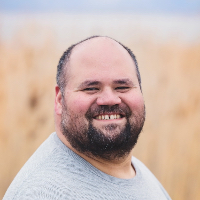
Charlie Johnson is a Licensed Clinical Social Worker (LCSW) based in Utah. He sees adults, children, and adolescents who are struggling with stress, anxiety, depression, substance use, ADHD, and related concerns. He also supports people facing grief, career questions, self esteem struggles, and the fallout from trauma and abuse.
Charlie uses simple, direct language in sessions. He listens first, then helps people set small, doable goals. He treats parenting and relationship concerns by focusing on practical skills that people can use at home and at work.
Before independent practice, Charlie worked in the public sector for many years. His background includes Drug Court, Juvenile Courts, and Juvenile Justice Services. That work shaped how he works with people who are coping with addiction, delinquency, and life transitions.
Charlie trained at Weber State University where he earned a Bachelor of Science in Psychology with a minor in Criminal Justice. He completed a Master degree in Forensic Social Work at the University of Utah. He holds a Utah LCSW and brings 11 years of clinical experience.
In sessions Charlie draws from several approaches, including Cognitive Behavioral Therapy, Acceptance and Commitment Therapy, Dialectical Behavior Therapy, attachment-based methods, and client-centered work. He focuses on building skills for emotion regulation, coping, and clearer communication. People who want practical tools and steady support may find his style helpful.
How key approaches are used in online therapy
Acceptance and Commitment Therapy (ACT) helps people notice unhelpful thoughts and choose actions that line up with their values. It is useful for anxiety, depression, and life changes because it focuses on what matters and on small steps toward it. Cognitive Behavioral Therapy (CBT) breaks problems into thoughts, feelings, and behaviors and teaches skills to shift unhelpful patterns. CBT is often used for anxiety, depression, sleep and eating concerns. Dialectical Behavior Therapy (DBT) teaches emotion regulation, distress tolerance, and interpersonal skills; it can help when emotions feel overwhelming or when relationships are strained.
Finding the right approach is a collaborative process. The therapist will talk with the client about goals, daily life, and what has or hasn’t helped before. Together they will try methods that match the person’s needs and adjust as progress is made.
Confirm current session options before booking, as specific formats are set by the therapist. Online therapy can make it easier to fit sessions into a weekday or work break, reduce travel time, and allow shorter check-ins when schedules are tight. It can also let people choose sessions that focus on skills practice, homework review, or deeper talk work without changing their day too much.
AbandonmentAdoption and foster careAntisocial personalityAttachment issuesAutism and Asperger SyndromeBlended family issuesCancerChronic pain, illness, and disabilityCo-morbidityCodependencyCommitment issuesCommunication problemsControl issuesCoping with natural or human-caused disasterDisruptive Mood Dysregulation Disorder (DMDD)DissociationDivorce and separationDomestic violenceDrug and alcohol addictionEating and food-related issuesFamily of origin issuesFamily problemsFatherhood issuesFirst responder issuesForgivenessGuilt and shameHospice and end-of-life counselingImpulsivityIsolation / lonelinessLife purposeMood disordersMulticultural concernsObsessions, compulsions, and OCDPanic disorder and panic attacksParanoiaPersonality disordersPhobiasPolyamory / non-monogamous relationshipsPost-traumatic stressPrejudice and discriminationProcess addiction (porn, exercise, gambling)Seasonal Affective Disorder (SAD)Self-harmSelf-loveSexual assault and abuseSocial anxiety and phobiaTrichotillomaniaWorkplace issuesYoung adult issues
He works with stress, anxiety, depression, addiction, trauma and abuse, self esteem, ADHD, grief, relationship and parenting concerns, and related issues listed in his specialties.
How would you describe his approach in sessions?
Sessions are practical and skill-oriented. He listens, helps set small goals, and uses evidence-informed methods to build coping and communication skills.
What background does he bring to therapy?
Charlie has 11 years of experience and spent much of his career in public sector social work, including work with Drug Court and juvenile justice settings.
What are his credentials and where is he located?
He is a Licensed Clinical Social Worker, Utah LCSW, and practices in Utah.
Which languages are sessions offered in?
Sessions are offered in English.
Does he work with clients outside the United States?
International clients are not currently accepted.
How are sessions scheduled and what does cost look like?
Cost varies with location and therapist availability; sessions use a subscription that can be canceled at any time.
How do I begin if I want to work together?
Use the continue button on this profile, complete a short matching questionnaire, and then schedule according to the therapist's availability.