- Focus on reactions
- Skill building
- Values driven
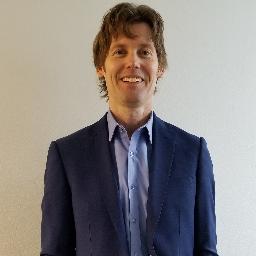
About David
David Bonfanti is a licensed marriage and family therapist (LMFT) with about 20 years of clinical experience. He focuses on practical, down-to-earth help for people dealing with anxiety, depression, relationships, addiction, and self esteem concerns. He aims to help people regain hope and build skills they can use every day.
David describes his work as straightforward and focused on reactions rather than blame. He encourages people to accept what has happened while finding ways to move forward. Sessions can feel hard at first because self-reflection often brings up painful feelings, but that is part of making change.
His approach blends several therapy methods to fit each person’s needs. He uses Acceptance and Commitment Therapy to help people notice thoughts and values, Cognitive Behavioral Therapy to change unhelpful thinking patterns, and attachment-informed ideas to improve relationship understanding. Motivational Interviewing and Narrative Therapy also appear in his work to support change and reframe difficult stories.
David has worked across many settings and with a wide range of concerns over two decades in California. He draws on that varied experience when helping people handle grief, parenting stress, trauma, career worries, sleep and eating problems, and more. He speaks English.
People who want practical, direct guidance and someone who will help them build lasting coping skills may find his style a fit. To begin, follow the Start Therapy flow to complete the matching questionnaire and schedule sessions according to availability.
David describes his work as straightforward and focused on reactions rather than blame. He encourages people to accept what has happened while finding ways to move forward. Sessions can feel hard at first because self-reflection often brings up painful feelings, but that is part of making change.
His approach blends several therapy methods to fit each person’s needs. He uses Acceptance and Commitment Therapy to help people notice thoughts and values, Cognitive Behavioral Therapy to change unhelpful thinking patterns, and attachment-informed ideas to improve relationship understanding. Motivational Interviewing and Narrative Therapy also appear in his work to support change and reframe difficult stories.
David has worked across many settings and with a wide range of concerns over two decades in California. He draws on that varied experience when helping people handle grief, parenting stress, trauma, career worries, sleep and eating problems, and more. He speaks English.
People who want practical, direct guidance and someone who will help them build lasting coping skills may find his style a fit. To begin, follow the Start Therapy flow to complete the matching questionnaire and schedule sessions according to availability.