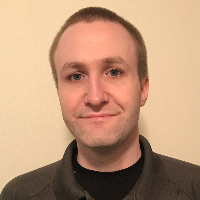
David Bradshaw uses a practical, person-focused approach to help people manage stress, anxiety, addiction, and low self-esteem. He brings eight years of counseling experience and a down-to-earth style to sessions. He is a Licensed Mental Health Counselor, LMHC, based in Washington and working with clients in English.
David earned a Master of Science in Clinical Mental Health Counseling after completing a Bachelor of Science in Interdisciplinary Social Sciences. He began his career in corrections and law enforcement for five years before moving into mental health counseling, a background that shaped his interest in trauma, anger, and coping with major life changes.
In sessions he blends several approaches such as Acceptance and Commitment Therapy, Cognitive Behavioral Therapy, Dialectical Behavior Therapy, and client-centered methods. That mix is used to help people notice patterns, practice new skills, and make values-based choices. He also uses motivational interviewing to support change when people feel stuck.
David often works with issues including depression, bipolar concerns, grief, intimacy-related problems, ADHD, and relationship or communication struggles. He also supports people navigating adoption or foster care histories, attachment concerns, dissociation, and identity topics related to LGBT experiences.
Outside of counseling he enjoys reading, yoga, meditation, martial arts, and building desktop computers. He spends free time camping and backpacking, and he names the Pasayten Wilderness as a favorite place to recharge.
Therapeutic approaches and online work
Acceptance and Commitment Therapy helps people clarify what matters to them and take small steps toward those values while learning to live with difficult thoughts and feelings. Cognitive Behavioral Therapy focuses on the links between thoughts, feelings, and actions and teaches specific skills to change unhelpful patterns and manage anxiety or depression. Dialectical Behavior Therapy emphasizes emotion regulation, distress tolerance, and better interpersonal skills for people who feel flooded by strong emotions.
Finding the right approach is part of the process. The therapist will work collaboratively to figure out which methods fit a person’s goals and preferences, trying techniques and adjusting the plan as needed. That collaboration aims to match tools to real-life challenges rather than forcing a single model.
Session logistics should be confirmed before booking since specific formats are not listed here. Online therapy can make it easier to fit counseling into a busy schedule, reduce travel time, and allow shorter check-ins when a full session isn’t needed. If steady in-person attendance is difficult, an online option can help keep momentum while people practice skills between meetings.
AbandonmentAdoption and foster careAntisocial personalityAttachment issuesAutism and Asperger SyndromeAvoidant personalityBDSM, kink, and alternative sex cultureBlended family issuesCommitment issuesCommunication problemsControl issuesCoping with natural or human-caused disasterDependent personalityDisruptive Mood Dysregulation Disorder (DMDD)DissociationDivorce and separationDomestic violenceDrug and alcohol addictionEating and food-related issuesEmptinessFamily of origin issuesFamily problemsFatherhood issuesFirst responder issuesForgivenessGuilt and shameHIV / AIDSHoardingImpulsivityInfidelityIsolation / lonelinessJealousyLife purposeMen's issuesVeteran and Armed Forces IssuesMoney and financial issuesMood disordersNarcissismObsessions, compulsions, and OCDPanic disorder and panic attacksParanoiaPersonality disordersPhobiasPolyamory / non-monogamous relationshipsPost-traumatic stressProcess addiction (porn, exercise, gambling)Seasonal Affective Disorder (SAD)Self-harmSex addictionSexual assault and abuseSexualitySocial anxiety and phobiaTraumatic brain injuryWorkplace issuesYoung adult issues
He works with a wide range of concerns including stress, anxiety, addiction, trauma and abuse, depression, bipolar issues, and self esteem. He also addresses relationship and intimacy-related issues, parenting and family-related stress, grief, and ADHD.
What is his general therapy style?
He blends Acceptance and Commitment Therapy, Cognitive Behavioral Therapy, Dialectical Behavior Therapy, client-centered methods, and motivational interviewing. The focus is on noticing patterns, building practical skills, and aligning actions with personal values.
How long has he been practicing?
He has eight years of professional experience in counseling, having practiced since October 2018, and previously worked five years in corrections and law enforcement.
What credentials and region apply to his practice?
He holds a Master of Science in Clinical Mental Health Counseling and is a Licensed Mental Health Counselor, LMHC, licensed in Washington.
Which languages are supported for sessions?
Sessions are offered in English.
Can international clients work with him?
He accepts international clients; confirm details about scheduling and logistics when arranging a first session.
How does payment and cost work?
Cost varies with location and therapist availability and sessions use a subscription model that can be canceled at any time.
How do I begin working with him?
Click the continue button on this profile, complete a short matching questionnaire, and schedule according to therapist availability.