- Person-centered approach
- Practical skill-building
- Focus on self esteem
About Frank
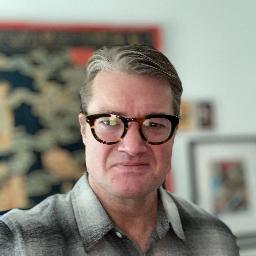
Frank Aldridge is a Licensed Mental Health Counselor (LMHC) with 15 years of clinical experience. He trained in counseling psychology and communication, and now practices in Washington. He focuses on helping people manage anxiety, depression, addiction concerns, grief, and struggles with self-esteem. He speaks English and aims to meet people where they are in life.
Before relocating to the Pacific Northwest, he worked in Texas in outpatient and residential treatment settings and ran a independent practice in Dallas. That history means he has experience with both short-term and deeper work around substance use, trauma, and relationship patterns.
His style is person-centered and practical. He draws on Cognitive Behavioral Therapy, Acceptance and Commitment Therapy, Mindfulness Therapy, and Internal Family Systems to form a tailored plan. Sessions tend to focus on learning skills, noticing patterns, and trying manageable changes between meetings.
Frank describes emotion as information rather than something to be dismissed. He helps people name and sit with intense feelings so they can make clearer choices. He often works on issues like codependency, communication problems, abandonment wounds, and feelings of emptiness.
People who meet with him usually collaborate on goals and next steps. He emphasizes awareness, acceptance, and gradual action. To start, the site matching process and scheduling guide the first appointment.
Before relocating to the Pacific Northwest, he worked in Texas in outpatient and residential treatment settings and ran a independent practice in Dallas. That history means he has experience with both short-term and deeper work around substance use, trauma, and relationship patterns.
His style is person-centered and practical. He draws on Cognitive Behavioral Therapy, Acceptance and Commitment Therapy, Mindfulness Therapy, and Internal Family Systems to form a tailored plan. Sessions tend to focus on learning skills, noticing patterns, and trying manageable changes between meetings.
Frank describes emotion as information rather than something to be dismissed. He helps people name and sit with intense feelings so they can make clearer choices. He often works on issues like codependency, communication problems, abandonment wounds, and feelings of emptiness.
People who meet with him usually collaborate on goals and next steps. He emphasizes awareness, acceptance, and gradual action. To start, the site matching process and scheduling guide the first appointment.