- Practical goal focus
- Mindful and present
- Trauma-informed tools
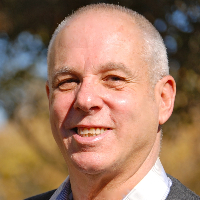
About Gary
Gary Zarchy is an LPC with 25 years of counseling experience. He emphasizes a client-centered approach and aims to guide and support each person toward practical change. He works in straightforward language and focuses on the goals people bring to therapy.
He has a background helping people with anxiety, depression, addictions, trauma and relationship concerns. He also supports people navigating grief, career stress, intimacy-related issues, self esteem struggles, and major life changes. He draws on several approaches to match what people need in the moment.
Gary earned his master’s degree from the University of Phoenix and has taught in its counseling department for 18 years. He brings that classroom experience into clinical work by explaining options plainly and offering exercises people can use between sessions. His training and teaching inform how he organizes sessions and sets goals.
In sessions he listens first and then helps people try practical steps. That may include working through unhelpful thinking patterns, practicing mindfulness skills, or using techniques to process traumatic memories. He encourages small, measurable changes that add up over time.
Many people come with a clear problem to solve or a feeling they want to change. He focuses on empowering each person to reach the point where they no longer need therapy. He describes his role as guide, educator, cheerleader, and advocate.
He has a background helping people with anxiety, depression, addictions, trauma and relationship concerns. He also supports people navigating grief, career stress, intimacy-related issues, self esteem struggles, and major life changes. He draws on several approaches to match what people need in the moment.
Gary earned his master’s degree from the University of Phoenix and has taught in its counseling department for 18 years. He brings that classroom experience into clinical work by explaining options plainly and offering exercises people can use between sessions. His training and teaching inform how he organizes sessions and sets goals.
In sessions he listens first and then helps people try practical steps. That may include working through unhelpful thinking patterns, practicing mindfulness skills, or using techniques to process traumatic memories. He encourages small, measurable changes that add up over time.
Many people come with a clear problem to solve or a feeling they want to change. He focuses on empowering each person to reach the point where they no longer need therapy. He describes his role as guide, educator, cheerleader, and advocate.