- Mindfulness based
- Person-centered
- Practical tools
About Graham
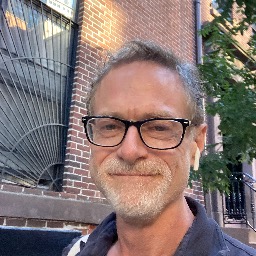
Graham Harriman is a Licensed Professional Counselor (LPC) with 14 years of experience. He combines mindfulness and mind-body awareness with a person-centered, existential outlook. He often focuses on how people relate to themselves and to others while addressing stressors like addiction, depression, anxiety, and self esteem.
He brings a varied career background to therapy, including clinical work, program management, and public health planning. That experience includes work with people affected by HIV and community services planning. He also coauthored a book titled The Healing Power of Community: Mutual Aid, AIDS, and Social Transformation in Psychology.
In sessions he leans on practical, client-centered techniques and practices drawn from dialectical behavior therapy and motivational interviewing. He uses mindfulness to help people notice what’s happening in the body and mind and to respond rather than react. He treats intimate and sexual concerns, substance use and harm reduction, grief, and other mood and relationship issues.
Graham describes his work as nonreligious but spiritually aware, and he pays attention to multicultural and social factors such as racism and white privilege when relevant. He also has training in couples therapy, group work, and sexuality, including LGBTQ concerns.
He sees clients in Oregon and works in English. Sessions use a subscription that can be canceled at any time, and the cost varies by location and therapist availability. To begin, select the continue button on this profile, complete a short matching questionnaire, and schedule according to availability.
He brings a varied career background to therapy, including clinical work, program management, and public health planning. That experience includes work with people affected by HIV and community services planning. He also coauthored a book titled The Healing Power of Community: Mutual Aid, AIDS, and Social Transformation in Psychology.
In sessions he leans on practical, client-centered techniques and practices drawn from dialectical behavior therapy and motivational interviewing. He uses mindfulness to help people notice what’s happening in the body and mind and to respond rather than react. He treats intimate and sexual concerns, substance use and harm reduction, grief, and other mood and relationship issues.
Graham describes his work as nonreligious but spiritually aware, and he pays attention to multicultural and social factors such as racism and white privilege when relevant. He also has training in couples therapy, group work, and sexuality, including LGBTQ concerns.
He sees clients in Oregon and works in English. Sessions use a subscription that can be canceled at any time, and the cost varies by location and therapist availability. To begin, select the continue button on this profile, complete a short matching questionnaire, and schedule according to availability.