- Warm interactive style
- Goal focused plans
- Trauma informed work
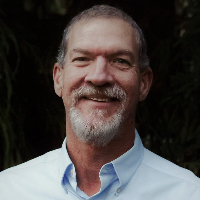
About James
Dr. James Welch is a licensed counselor who helps people facing stress, anxiety, self-esteem concerns, depression, and relationship struggles. He brings 33 years of experience as a clinician, consultant, trainer, and executive coach. His manner is warm and interactive, with straightforward conversation and respect for each person's life story.
He uses practical talk and goal-focused steps rather than labels. He adapts sessions to what a person needs in the moment, mixing conversational coaching with therapeutic tools. That can mean focusing on current problems, motivation to change, or emotional connection work depending on the issue.
His background includes long work with people affected by trauma and emotional abuse, and with those navigating parenting, career, and life transitions. He also supports people dealing with addictions, mood disorders, and impulse-related concerns. Over his career he has provided training for other clinicians and worked as a clinical consultant and executive coach.
In sessions he emphasizes collaboration. He listens first, then suggests practical strategies drawn from several approaches, including cognitive behavioral techniques and solution-focused planning. He aims for concrete steps that can be used between meetings.
People who choose him can expect direct conversation framed by empathy. Initial contact typically receives a reply within 24 hours, and the focus is on helping someone move toward a clearer sense of purpose and steadier self-regard.
He uses practical talk and goal-focused steps rather than labels. He adapts sessions to what a person needs in the moment, mixing conversational coaching with therapeutic tools. That can mean focusing on current problems, motivation to change, or emotional connection work depending on the issue.
His background includes long work with people affected by trauma and emotional abuse, and with those navigating parenting, career, and life transitions. He also supports people dealing with addictions, mood disorders, and impulse-related concerns. Over his career he has provided training for other clinicians and worked as a clinical consultant and executive coach.
In sessions he emphasizes collaboration. He listens first, then suggests practical strategies drawn from several approaches, including cognitive behavioral techniques and solution-focused planning. He aims for concrete steps that can be used between meetings.
People who choose him can expect direct conversation framed by empathy. Initial contact typically receives a reply within 24 hours, and the focus is on helping someone move toward a clearer sense of purpose and steadier self-regard.