- Practical coping tools
- Trauma-informed care
- Resilience and self-leadership
About Jenenne
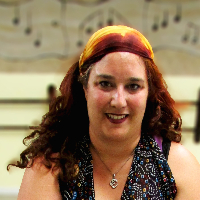
Dr. Jenenne Valentino-Bottaro helps people who feel stuck by focusing on building self-worth and everyday coping skills. She presents a calm, interactive style that aims to reduce shame and encourage personal agency. Dr. Valentino-Bottaro uses straightforward conversation to help clients notice patterns and try new ways of relating to themselves.
She has worked in mental health for 12 years and is licensed as an LMHC and LCMHC in Florida and Utah. Her work often addresses trauma, eating issues, addiction, anxiety, depression, and self esteem concerns. She aims to help people recover from complex trauma and move toward post-traumatic growth.
Her sessions blend several methods rather than following one narrow path. Expect practical tools from cognitive behavioral work, emotion regulation skills from dialectical behavior approaches, and attention to how early attachment shapes current relationships. She also draws on body-centered ideas and transpersonal perspectives when that fits a person’s needs.
Dr. Valentino-Bottaro frames therapy around building self-leadership and resilience. That means setting clear goals, trying small changes between sessions, and checking what works. She emphasizes respect, sensitivity, and avoiding stigmatizing labels.
The therapist tailors the plan to each person’s history and goals. People looking for support with grief, caregiver stress, body image, ADHD challenges, or relationship and intimacy questions may find this practical, compassionate approach helpful.
She has worked in mental health for 12 years and is licensed as an LMHC and LCMHC in Florida and Utah. Her work often addresses trauma, eating issues, addiction, anxiety, depression, and self esteem concerns. She aims to help people recover from complex trauma and move toward post-traumatic growth.
Her sessions blend several methods rather than following one narrow path. Expect practical tools from cognitive behavioral work, emotion regulation skills from dialectical behavior approaches, and attention to how early attachment shapes current relationships. She also draws on body-centered ideas and transpersonal perspectives when that fits a person’s needs.
Dr. Valentino-Bottaro frames therapy around building self-leadership and resilience. That means setting clear goals, trying small changes between sessions, and checking what works. She emphasizes respect, sensitivity, and avoiding stigmatizing labels.
The therapist tailors the plan to each person’s history and goals. People looking for support with grief, caregiver stress, body image, ADHD challenges, or relationship and intimacy questions may find this practical, compassionate approach helpful.