- Strength-based approach
- Creative tools
- Identity affirming
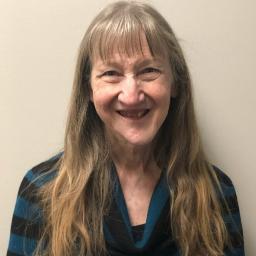
About Karen
Karen Murphree is an LCSW with three decades of experience helping adults who feel stuck, ashamed, or out of place. She describes a whole-person, strength-based style that blends traditional psychotherapy with creative, somatic, and lifestyle approaches. Her work often addresses self esteem, grief, anxiety, depression, and stress while honoring each person’s identity and values.
She uses a mix of practical techniques and expressive methods in sessions. That can include guided imagery, music, art, movement, and breathing practices alongside talk-based work. She also draws on cognitive behavioral strategies and mindfulness skills to help people notice and change unhelpful patterns.
Karen brings a broad background that includes early nursing experience and graduate-level study in natural and alternative healing. She has explored health coaching and the connection between food, sleep, movement, and mood as part of a wider approach to well-being. She often shares educational resources clients can follow up on between sessions.
Her practice aims to create a space where people can find their own language for hard experiences. She names attachment, trauma, and compassion fatigue among common concerns she addresses, and she helps people examine limiting beliefs and behaviors. Her approach is intended to combine practical coping skills with greater self-understanding.
Karen identifies as LGBTQIA2S+ and genderfluid, and describes herself as neurodivergent and identity-affirming toward kink and polyamory communities. Outside therapy she enjoys gardening, music, books, and creating herbal personal care items.
She uses a mix of practical techniques and expressive methods in sessions. That can include guided imagery, music, art, movement, and breathing practices alongside talk-based work. She also draws on cognitive behavioral strategies and mindfulness skills to help people notice and change unhelpful patterns.
Karen brings a broad background that includes early nursing experience and graduate-level study in natural and alternative healing. She has explored health coaching and the connection between food, sleep, movement, and mood as part of a wider approach to well-being. She often shares educational resources clients can follow up on between sessions.
Her practice aims to create a space where people can find their own language for hard experiences. She names attachment, trauma, and compassion fatigue among common concerns she addresses, and she helps people examine limiting beliefs and behaviors. Her approach is intended to combine practical coping skills with greater self-understanding.
Karen identifies as LGBTQIA2S+ and genderfluid, and describes herself as neurodivergent and identity-affirming toward kink and polyamory communities. Outside therapy she enjoys gardening, music, books, and creating herbal personal care items.