- Practical tools
- Strengths focused
- Experience driven
About Mark
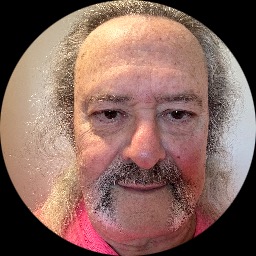
Mark Sikora is a licensed clinical social worker who helps people facing low self-esteem and related struggles. He speaks plainly, listens closely, and focuses on practical steps people can use right away. His aim is to help clients feel more in control of daily life and more confident in themselves.
He brings four decades of experience to the work and draws on that background when supporting people with depression, anxiety, bipolar concerns, trauma and grief. He treats mood shifts, panic, and the fallout from critical incidents with steady, experience-informed care. He also addresses relationship and intimacy-related issues and problems with sleep, eating, and addiction.
Mark uses a mix of approaches that include Acceptance and Commitment Therapy, client-centered work, Cognitive Behavioral Therapy, Dialectical Behavior Therapy, and the Gottman Method. In sessions he helps people clarify what matters to them, notice unhelpful patterns, and practice small behavioral changes. He encourages clients to name strengths and use them as tools for steady progress.
He believes people know their stories best and that therapy is a collaborative effort. That means building goals together and checking what actually works between sessions. Many people come for help coping with life changes, parenting stress, caregiving strain, or long-term health challenges.
Mark is based in Washington and holds the LICSW credential, which stands for Licensed Independent Clinical Social Worker. Sessions are conducted in English and fit a range of life situations and schedules.
He brings four decades of experience to the work and draws on that background when supporting people with depression, anxiety, bipolar concerns, trauma and grief. He treats mood shifts, panic, and the fallout from critical incidents with steady, experience-informed care. He also addresses relationship and intimacy-related issues and problems with sleep, eating, and addiction.
Mark uses a mix of approaches that include Acceptance and Commitment Therapy, client-centered work, Cognitive Behavioral Therapy, Dialectical Behavior Therapy, and the Gottman Method. In sessions he helps people clarify what matters to them, notice unhelpful patterns, and practice small behavioral changes. He encourages clients to name strengths and use them as tools for steady progress.
He believes people know their stories best and that therapy is a collaborative effort. That means building goals together and checking what actually works between sessions. Many people come for help coping with life changes, parenting stress, caregiving strain, or long-term health challenges.
Mark is based in Washington and holds the LICSW credential, which stands for Licensed Independent Clinical Social Worker. Sessions are conducted in English and fit a range of life situations and schedules.