- Life transitions
- Memory assessments
- Pet loss counseling
About Michaela
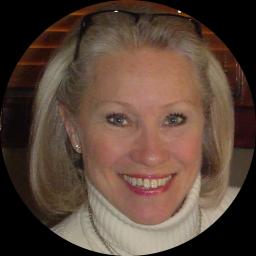
Dr. Michaela Hammer is a licensed clinical social worker with 35 years of experience. She focuses on helping people through life transitions, relationship challenges, grief, depression, anxiety, and self esteem concerns. Her work is straightforward and grounded in practical support. She aims to separate myths from facts so people can move forward with renewed hope.
Dr. Hammer pays attention to how major changes affect daily life and roles. She listens to each person’s story and helps identify clear steps to manage stress, anger, or career and intimacy issues. Sessions often include tools to cope with new responsibilities and shifts in identity.
She provides memory loss and cognitive functioning assessments and follows up with resources and research. Not all memory changes are permanent, and she helps people and families explore what might be happening and what can be done next.
Dr. Hammer also offers counseling for pet grief and loss, acknowledging how devastating the loss of an animal companion can be. She has received referrals from veterinarians and medical doctors for this work.
Her background includes long-term work in community settings such as schools, nursing homes, hospitals, and retirement communities. She has run memory clinics and presented on cultural awareness and aging issues. Her approach is collaborative and aimed at practical steps people can use every day.
Dr. Hammer pays attention to how major changes affect daily life and roles. She listens to each person’s story and helps identify clear steps to manage stress, anger, or career and intimacy issues. Sessions often include tools to cope with new responsibilities and shifts in identity.
She provides memory loss and cognitive functioning assessments and follows up with resources and research. Not all memory changes are permanent, and she helps people and families explore what might be happening and what can be done next.
Dr. Hammer also offers counseling for pet grief and loss, acknowledging how devastating the loss of an animal companion can be. She has received referrals from veterinarians and medical doctors for this work.
Her background includes long-term work in community settings such as schools, nursing homes, hospitals, and retirement communities. She has run memory clinics and presented on cultural awareness and aging issues. Her approach is collaborative and aimed at practical steps people can use every day.