- Trauma-informed care
- Values-based work
- Skills for daily life
About Naomia
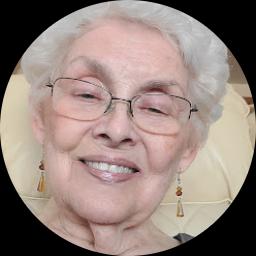
Naomia Bell is a licensed clinical mental health counselor (LCMHC) with 20 years in behavioral health. She approaches therapy with openness and steady support. She aims to create a space where people can speak honestly and feel heard without judgment.
Her background includes roles as a special education teacher, school guidance counselor, and utilization reviewer. She has worked in both inpatient and outpatient settings and has experience with military populations since 2008. This mix of school, clinical, and administrative work shapes her clear, practical style.
Naomia uses therapy methods that help people connect their values to everyday choices. She draws from approaches such as Acceptance and Commitment Therapy, Cognitive Behavioral Therapy, and Attachment-Based Therapy to address problems like anxiety, depression, and trauma. Sessions focus on skills people can use between appointments.
She also helps with relationship concerns, family-of-origin issues, and challenges tied to caregiving, chronic illness, or life transitions. Naomia pays attention to how past attachments and communication patterns affect current relationships and sense of self.
Clients who struggle with self esteem, coping with change, addiction, or mood disorders will find practical tools and steady support. She pairs evidence-based techniques with a warm, straightforward manner. Those seeking a collaborative, goal-oriented approach often appreciate her emphasis on concrete steps and emotional understanding.
Her background includes roles as a special education teacher, school guidance counselor, and utilization reviewer. She has worked in both inpatient and outpatient settings and has experience with military populations since 2008. This mix of school, clinical, and administrative work shapes her clear, practical style.
Naomia uses therapy methods that help people connect their values to everyday choices. She draws from approaches such as Acceptance and Commitment Therapy, Cognitive Behavioral Therapy, and Attachment-Based Therapy to address problems like anxiety, depression, and trauma. Sessions focus on skills people can use between appointments.
She also helps with relationship concerns, family-of-origin issues, and challenges tied to caregiving, chronic illness, or life transitions. Naomia pays attention to how past attachments and communication patterns affect current relationships and sense of self.
Clients who struggle with self esteem, coping with change, addiction, or mood disorders will find practical tools and steady support. She pairs evidence-based techniques with a warm, straightforward manner. Those seeking a collaborative, goal-oriented approach often appreciate her emphasis on concrete steps and emotional understanding.