- Whole-person approach
- Goal-focused sessions
- Practical coping tools
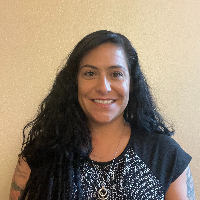
About Rachel
Rachel Williams is an LCSW practicing in Utah. She brings three years of clinical experience to her work and helps people facing stress, anxiety, depression, addictions, and self-esteem concerns. Her background also includes supporting those coping with trauma, grief, and challenges related to intimacy and family of origin issues.
She centers care on the whole person and prefers plain talk over jargon. Sessions focus on the client's goals and practical steps they can try between meetings. Rachel adapts conversation and tools to each person's situation rather than using a one-size-fits-all plan.
Her work draws from several approaches including attachment-focused ideas, client-centered listening, cognitive behavioral techniques, EMDR strategies, and mindfulness practices. Those methods are used to address problems such as post-traumatic stress, codependency, communication breakdowns, and struggles with self-love.
Rachel also leans on life experience from earlier jobs in retail, manufacturing, and as a preschool teacher. She says that variety of work helps her relate to people from different backgrounds and daily demands.
When someone reaches out she starts by learning what matters most to them and then shapes a plan around those priorities. The goal is steady, manageable progress toward clearer thinking, better coping, and stronger self-regard.
She centers care on the whole person and prefers plain talk over jargon. Sessions focus on the client's goals and practical steps they can try between meetings. Rachel adapts conversation and tools to each person's situation rather than using a one-size-fits-all plan.
Her work draws from several approaches including attachment-focused ideas, client-centered listening, cognitive behavioral techniques, EMDR strategies, and mindfulness practices. Those methods are used to address problems such as post-traumatic stress, codependency, communication breakdowns, and struggles with self-love.
Rachel also leans on life experience from earlier jobs in retail, manufacturing, and as a preschool teacher. She says that variety of work helps her relate to people from different backgrounds and daily demands.
When someone reaches out she starts by learning what matters most to them and then shapes a plan around those priorities. The goal is steady, manageable progress toward clearer thinking, better coping, and stronger self-regard.