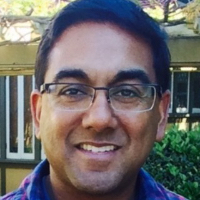
Rajan Christian is a licensed marriage and family therapist (LMFT) who focuses on helping people regain confidence and direction. He centers work on relationships, stress, anxiety, and self esteem concerns. His tone is direct and practical, aimed at people who want clearer coping skills and steadier day-to-day functioning.
He spends sessions helping people sort priorities and notice patterns that get in the way of feeling capable. Conversations often include goal-setting, realistic behavior changes, and ways to shift unhelpful thinking. Rajan uses approaches that emphasize values, connection, and present-moment choices to support lasting change.
Rajan has about 15 years of clinical experience across nonprofit, county behavioral health, school district, outpatient, inpatient, and independent settings. That background means he is used to crisis work, ongoing therapy, and coordinating care when people need different supports.
He has worked directly with people facing suicidality and with adolescents in high-pressure situations. His practice also addresses trauma, grief, addiction concerns, parenting stress, career shifts, ADHD, and mood conditions such as bipolar disorder.
Rajan speaks English and practices in California as an LMFT. Readers who want to begin can use the site Start Therapy flow to answer a short matching questionnaire and schedule sessions according to the therapist's availability.
Therapeutic approaches and online care
Acceptance and Commitment Therapy (ACT) helps people clarify what matters to them and take small actions that match those values. It is often useful for anxiety, stress, and people who feel stuck or unsure about purpose. Attachment-Based Therapy looks at how early connection patterns shape current relationships and trust. It can help with intimacy issues, abandonment concerns, and improving communication. Client-Centered Therapy focuses on listening and reflecting so people feel heard and can find their own solutions; it is often used alongside other approaches to support self esteem and decision-making.
Finding the right approach is part of the work. The therapist will talk with each person about their needs, goals, and preferences, and together decide which methods to try. That collaborative process can include trying different techniques and adjusting as progress is made.
The source biography does not list specific online session formats, so confirm current options before booking. Many people find virtual sessions helpful because they can fit therapy into a work break, avoid travel time, or choose a shorter check-in on a busy day. Online care can support continuity after a move or while coordinating with other services, and it lets therapists use the same approaches they use in person to address stress, relationships, trauma, or confidence concerns.
AbandonmentAntisocial personalityAttachment issuesAvoidant personalityBlended family issuesBody imageCaregiver issues and stressCodependencyCommitment issuesCommunication problemsControl issuesCoping with natural or human-caused disasterDependent personalityDisruptive Mood Dysregulation Disorder (DMDD)DissociationDivorce and separationDrug and alcohol addictionEmptinessFamily of origin issuesFamily problemsFatherhood issuesForgivenessGuilt and shameImpulsivityIsolation / lonelinessLife purposeMen's issuesMidlife crisisMoney and financial issuesMood disordersMulticultural concernsNarcissismPanic disorder and panic attacksParanoiaPersonality disordersPost-traumatic stressPrejudice and discriminationSelf-harmSelf-loveSocial anxiety and phobiaWorkplace issuesYoung adult issues
Therapeutic approaches
Acceptance and Commitment Therapy (ACT)Attachment-Based TherapyClient-Centered TherapyCognitive Behavioral Therapy (CBT)Existential TherapyEye Movement Desensitization and Reprocessing (EMDR)Mindfulness TherapyMotivational InterviewingNarrative TherapySolution-Focused Therapy
Experience
15+ years
Credentials
California
Languages
English
Frequently asked questions
What kinds of problems does this therapist address?
Rajan works with stress, anxiety, relationship and family issues, self esteem, depression, addictions, trauma and abuse, grief, intimacy concerns, parenting, anger, career changes, bipolar disorder, and ADHD among other areas.
What is the general style of therapy like?
Sessions tend to be practical and collaborative. He mixes talking about patterns with goal-setting and behavioral steps you can try between meetings.
What kind of experience does the therapist have?
He has about 15 years of clinical experience in nonprofit agencies, county behavioral health, school districts, outpatient and inpatient settings, and independent practice contexts.
What are the therapist's credentials and location?
The clinician is a licensed marriage and family therapist (LMFT) practicing in California.
In which languages can I expect to work?
Sessions are offered in English and international clients are accepted.
What session formats are available?
The original biography does not specify session formats. Please confirm current session options before booking.
How does payment and cost work?
Cost varies with location and therapist availability; sessions use a subscription that can be canceled at any time.
How do I begin working with this therapist?
Select the continue button on this profile, complete a short matching questionnaire, and schedule according to therapist availability.