- Practical short-term plans
- Values-based work
- Lifestyle focus
About Scott
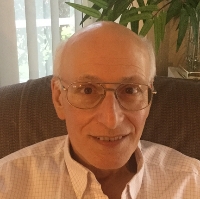
Dr. Scott Anstadt offers practical, down-to-earth help for people who want to feel steadier and more confident in daily life. He focuses on concrete concerns like stress, anxiety, self esteem, grief, addictions, and life changes. He writes short-term coaching plans and longer-term therapy strategies to fit real schedules. Dr. Anstadt brings 36 years of experience as an LCSW and LSCSW to sessions held from Kansas.
He takes a flexible, person-centered approach that aims to make conversations useful right away. Sessions include skill practice, values clarification, and problem-solving tailored to what the person finds most pressing. He blends methods drawn from cognitive behavioral techniques, Acceptance and Commitment Therapy, attachment-based ideas, and existential thinking so work can be adapted to each situation.
Dr. Anstadt has also taught clinical courses at the university level for almost a decade, and he uses that background to explain tools clearly. He favors regular, strategic contacts and periodic coaching to keep progress on track. He emphasizes lifestyle changes and practical habits as part of therapy.
He often supports people through transitions, adjustment, and grief by focusing on manageable steps and clear goals. He also offers help around relationship and communication problems, parenting concerns, work stress, and struggles with mood and motivation.
Sessions are designed to fit into a person’s life, with attention to timing and length so therapy can be useful between other obligations. Dr. Anstadt welcomes international clients and conducts work in English.
He takes a flexible, person-centered approach that aims to make conversations useful right away. Sessions include skill practice, values clarification, and problem-solving tailored to what the person finds most pressing. He blends methods drawn from cognitive behavioral techniques, Acceptance and Commitment Therapy, attachment-based ideas, and existential thinking so work can be adapted to each situation.
Dr. Anstadt has also taught clinical courses at the university level for almost a decade, and he uses that background to explain tools clearly. He favors regular, strategic contacts and periodic coaching to keep progress on track. He emphasizes lifestyle changes and practical habits as part of therapy.
He often supports people through transitions, adjustment, and grief by focusing on manageable steps and clear goals. He also offers help around relationship and communication problems, parenting concerns, work stress, and struggles with mood and motivation.
Sessions are designed to fit into a person’s life, with attention to timing and length so therapy can be useful between other obligations. Dr. Anstadt welcomes international clients and conducts work in English.