- Client-centered care
- Mindfulness practice
- Relationship focus
About Steven
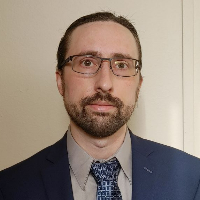
Steven Smith is a Licensed Marriage and Family Therapist (LMFT) practicing in California. He focuses on helping people who are struggling with stress, anxiety, depression, bipolar disorder, addictions, trauma and abuse, relationship and intimacy issues, and low self esteem. He meets with individuals and couples and works in plain, direct ways to help clients set realistic goals and move toward them.
He listens first and then helps people name the changes they want. Steven uses a client-centered stance that keeps the client's goals front and center. He also draws on existential ideas that ask what matters most to each person and how their choices shape daily life.
In sessions he blends mindfulness practices with practical conversation. That can mean noticing how thoughts and feelings show up in the body, trying brief grounding exercises, or slowing down difficult topics so they feel manageable. He also uses motivational interviewing techniques to help people sort through ambivalence and find reasons to change.
Steven has a Master’s in Clinical Psychology and ten years of clinical experience supporting people from different backgrounds. His LMFT credential is California LMFT. He aims to create a steady, nonjudgmental space to talk through problems and to practice new ways of coping.
Clients often work with him on relationship communication, managing mood swings, recovering from addiction or trauma, and building stronger self esteem. He encourages clear goal-setting and regular check-ins so progress can be seen and adjusted over time.
He listens first and then helps people name the changes they want. Steven uses a client-centered stance that keeps the client's goals front and center. He also draws on existential ideas that ask what matters most to each person and how their choices shape daily life.
In sessions he blends mindfulness practices with practical conversation. That can mean noticing how thoughts and feelings show up in the body, trying brief grounding exercises, or slowing down difficult topics so they feel manageable. He also uses motivational interviewing techniques to help people sort through ambivalence and find reasons to change.
Steven has a Master’s in Clinical Psychology and ten years of clinical experience supporting people from different backgrounds. His LMFT credential is California LMFT. He aims to create a steady, nonjudgmental space to talk through problems and to practice new ways of coping.
Clients often work with him on relationship communication, managing mood swings, recovering from addiction or trauma, and building stronger self esteem. He encourages clear goal-setting and regular check-ins so progress can be seen and adjusted over time.