- CBT focused
- Mindfulness use
- Practical coping skills
About Susan
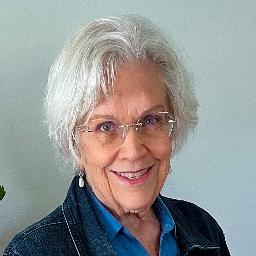
Susan Keene is a licensed clinical social worker who centers therapy on cognitive behavioral approaches. She looks closely at everyday thoughts and self-talk to help people notice patterns that add to stress, anxiety, or low self-esteem. Susan writes plainly and invites clients to examine what is happening now in their lives and relationships.
She pays attention to how automatic, body-based reactions can drive behavior, and how those reactions can bring shame or blame. Sessions often include practical exercises to calm a triggered nervous system and simple experiments to test new ways of thinking. This is aimed at easing depression, anxiety, and relationship strain.
Susan draws on 18 years of experience dealing with depression, addiction, family conflict, grief, trauma and abuse, and compassion fatigue. She combines clinical training with life experience and elements from mindfulness and spiritual traditions when they feel useful. She is not religious but respects a person’s sense of deeper meaning.
She acknowledges that starting therapy can feel scary and that change takes work. Susan encourages curiosity, steady effort, and small steps rather than quick fixes. Her style balances direct observation of thought patterns with practical skills for coping and self-care.
Susan practices in Utah and holds an LCSW, which means Licensed Clinical Social Worker. Sessions are conducted in English and she asks prospective clients to complete an initial matching questionnaire before scheduling.
She pays attention to how automatic, body-based reactions can drive behavior, and how those reactions can bring shame or blame. Sessions often include practical exercises to calm a triggered nervous system and simple experiments to test new ways of thinking. This is aimed at easing depression, anxiety, and relationship strain.
Susan draws on 18 years of experience dealing with depression, addiction, family conflict, grief, trauma and abuse, and compassion fatigue. She combines clinical training with life experience and elements from mindfulness and spiritual traditions when they feel useful. She is not religious but respects a person’s sense of deeper meaning.
She acknowledges that starting therapy can feel scary and that change takes work. Susan encourages curiosity, steady effort, and small steps rather than quick fixes. Her style balances direct observation of thought patterns with practical skills for coping and self-care.
Susan practices in Utah and holds an LCSW, which means Licensed Clinical Social Worker. Sessions are conducted in English and she asks prospective clients to complete an initial matching questionnaire before scheduling.