- Warm listening
- Practical steps
- Relationship focus
About Suzan
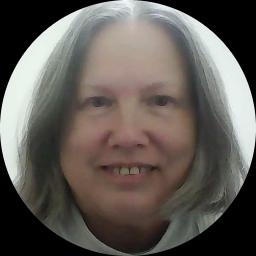
Dr. Suzan McEnany is a California psychologist with 25 years of experience helping people who feel stuck by stress, anxiety, low self esteem, depression, and relationship or intimacy struggles. She supports people dealing with trauma and abuse, compassion fatigue, ADHD, and life changes. She aims to make starting therapy feel manageable and respectful of each person's pace.
In sessions she focuses on creating an open, nonjudgmental space where thoughts and feelings can be talked through. She listens for what matters most to each person and helps identify small, practical steps to try between meetings. The work often includes talking about patterns in relationships and how early attachments shape current reactions.
Her approach is collaborative and goal-oriented. Over time she helps people build confidence, manage difficult emotions, and improve communication. She also offers support for people facing caregiving stress, first responder issues, cancer-related adjustment, and grief after separation.
Dr. McEnany holds the credential CA Psychologist PSY17036, which indicates her California licensure as a psychologist. She practices in California and conducts therapy in English.
Many people find the first sessions useful to set priorities and test whether the fit feels right. Dr. McEnany invites prospective clients to take a short matching questionnaire and schedule an initial appointment to see how her style aligns with their needs.
In sessions she focuses on creating an open, nonjudgmental space where thoughts and feelings can be talked through. She listens for what matters most to each person and helps identify small, practical steps to try between meetings. The work often includes talking about patterns in relationships and how early attachments shape current reactions.
Her approach is collaborative and goal-oriented. Over time she helps people build confidence, manage difficult emotions, and improve communication. She also offers support for people facing caregiving stress, first responder issues, cancer-related adjustment, and grief after separation.
Dr. McEnany holds the credential CA Psychologist PSY17036, which indicates her California licensure as a psychologist. She practices in California and conducts therapy in English.
Many people find the first sessions useful to set priorities and test whether the fit feels right. Dr. McEnany invites prospective clients to take a short matching questionnaire and schedule an initial appointment to see how her style aligns with their needs.