- 20 years experience
- Compassionate listening
- Goal oriented
About Teng
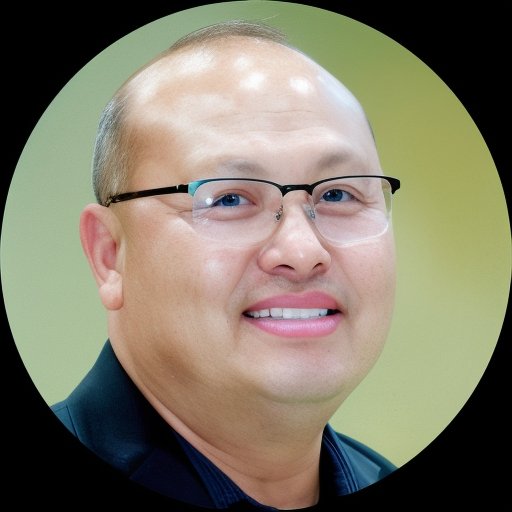
Teng Vang is a licensed marriage and family therapist (LMFT) practicing in California with 20 years of clinical experience. He focuses on helping people who are dealing with stress, anxiety, low self-esteem, depression, and relationship challenges. Teng aims to meet each person with respect, sensitivity, and compassion from the first conversation.
He works in a straightforward way. Sessions begin by listening to what matters most to the client. Then he and the client set clear, practical goals and try small steps that can be used between sessions. Teng adjusts his approach to fit how each person prefers to work and what life demands right now.
Over two decades he has supported people facing major life changes, grief, addiction struggles, and issues around intimacy and family dynamics. He also helps with sleep and eating concerns, anger, career stress, ADHD, and caregiver strain. His background includes experience across a wide range of emotional and behavioral challenges.
Teng draws on several common therapeutic methods, using tools from cognitive behavioral therapy and acceptance and commitment therapy to address unhelpful thoughts and build meaningful action. He also uses attachment-based and client-centered ideas to strengthen relationships and emotional connection. Dialectical behavior therapy skills are included when emotion regulation and coping strategies are needed.
He encourages people to take the first step and offers a tailored plan rather than a one-size-fits-all protocol. Prospective clients will complete a short matching questionnaire and then can schedule sessions according to the therapist's availability.
He works in a straightforward way. Sessions begin by listening to what matters most to the client. Then he and the client set clear, practical goals and try small steps that can be used between sessions. Teng adjusts his approach to fit how each person prefers to work and what life demands right now.
Over two decades he has supported people facing major life changes, grief, addiction struggles, and issues around intimacy and family dynamics. He also helps with sleep and eating concerns, anger, career stress, ADHD, and caregiver strain. His background includes experience across a wide range of emotional and behavioral challenges.
Teng draws on several common therapeutic methods, using tools from cognitive behavioral therapy and acceptance and commitment therapy to address unhelpful thoughts and build meaningful action. He also uses attachment-based and client-centered ideas to strengthen relationships and emotional connection. Dialectical behavior therapy skills are included when emotion regulation and coping strategies are needed.
He encourages people to take the first step and offers a tailored plan rather than a one-size-fits-all protocol. Prospective clients will complete a short matching questionnaire and then can schedule sessions according to the therapist's availability.