- Goal oriented
- Practical tools
- Collaborative planning
About Vicky
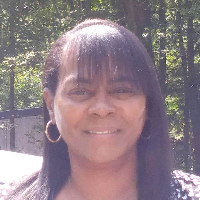
Vicky Burgh-Harris is a Licensed Clinical Social Worker (LCSW) practicing in New York. She focuses on helping people manage stress, anxiety, low self-esteem, depression, and relationship struggles. She also supports those dealing with addictions, family problems, trauma, parenting strain, anger, and life changes.
Her style is direct and interactive. She talks openly with clients to build a clear plan. Sessions aim to set realistic, step-by-step goals that fit each person’s life.
Vicky draws on several practical approaches, including solution-focused work and cognitive behavioral ideas. She uses these to help people change patterns of thinking and try small experiments between sessions. Mindfulness techniques are used to reduce overwhelm and increase moment-to-moment control.
With two decades of experience, she brings familiarity with a wide range of concerns such as blended family issues, caregiver stress, codependency, and addiction-related difficulties. Her background includes work with adults, adolescents, children, and people with developmental disabilities.
People who choose her can expect straightforward conversation, goal-oriented plans, and regular checks on progress. She invites clients to shape the plan, adjust as needed, and focus on practical steps that feel doable. To begin, readers should use the continue button on this profile and complete the short matching questionnaire.
Her style is direct and interactive. She talks openly with clients to build a clear plan. Sessions aim to set realistic, step-by-step goals that fit each person’s life.
Vicky draws on several practical approaches, including solution-focused work and cognitive behavioral ideas. She uses these to help people change patterns of thinking and try small experiments between sessions. Mindfulness techniques are used to reduce overwhelm and increase moment-to-moment control.
With two decades of experience, she brings familiarity with a wide range of concerns such as blended family issues, caregiver stress, codependency, and addiction-related difficulties. Her background includes work with adults, adolescents, children, and people with developmental disabilities.
People who choose her can expect straightforward conversation, goal-oriented plans, and regular checks on progress. She invites clients to shape the plan, adjust as needed, and focus on practical steps that feel doable. To begin, readers should use the continue button on this profile and complete the short matching questionnaire.