- Client-centered approach
- CBT and mindfulness
- Practical behavior strategies
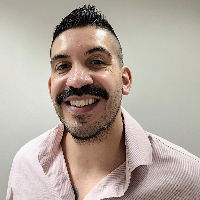
About Zachary
Zachary Martin is a licensed clinical social worker who blends practical talk therapy with thoughtful reflection. He uses clear, down-to-earth language to help people understand what is going on and what choices they can try. His approach aims to make sessions feel calm and straightforward for someone seeking help with self esteem, anxiety, stress, depression, or life transitions.
He draws on Client-Centered methods to build a respectful, nonjudgmental space where people can say what matters to them. Cognitive Behavioral Therapy (CBT) is used to spot unhelpful thinking and test new behaviors that change everyday results. Mindfulness practices are offered to reduce reactivity and increase moment-to-moment awareness.
Martin earned a bachelor’s degree in philosophy with a minor in psychology in 2008 and completed a master’s degree in social work in 2013. His early work included adult residential care for people with developmental disabilities and later roles in foster and adoption services, child welfare investigation, and inpatient hospitalization. These roles shaped his view of the many factors that contribute to emotional struggle.
For the last five years he has focused on outpatient therapy, helping people with addictions, grief, relationship and intimacy concerns, ADHD, and compassion fatigue among other issues. He uses Motivational Interviewing when change feels overwhelming and Narrative Therapy to help people reframe difficult life stories.
Sessions emphasize collaboration. He listens first, then works with each person to try practical steps that fit their life and goals.
He draws on Client-Centered methods to build a respectful, nonjudgmental space where people can say what matters to them. Cognitive Behavioral Therapy (CBT) is used to spot unhelpful thinking and test new behaviors that change everyday results. Mindfulness practices are offered to reduce reactivity and increase moment-to-moment awareness.
Martin earned a bachelor’s degree in philosophy with a minor in psychology in 2008 and completed a master’s degree in social work in 2013. His early work included adult residential care for people with developmental disabilities and later roles in foster and adoption services, child welfare investigation, and inpatient hospitalization. These roles shaped his view of the many factors that contribute to emotional struggle.
For the last five years he has focused on outpatient therapy, helping people with addictions, grief, relationship and intimacy concerns, ADHD, and compassion fatigue among other issues. He uses Motivational Interviewing when change feels overwhelming and Narrative Therapy to help people reframe difficult life stories.
Sessions emphasize collaboration. He listens first, then works with each person to try practical steps that fit their life and goals.